WILD - Three Rooms

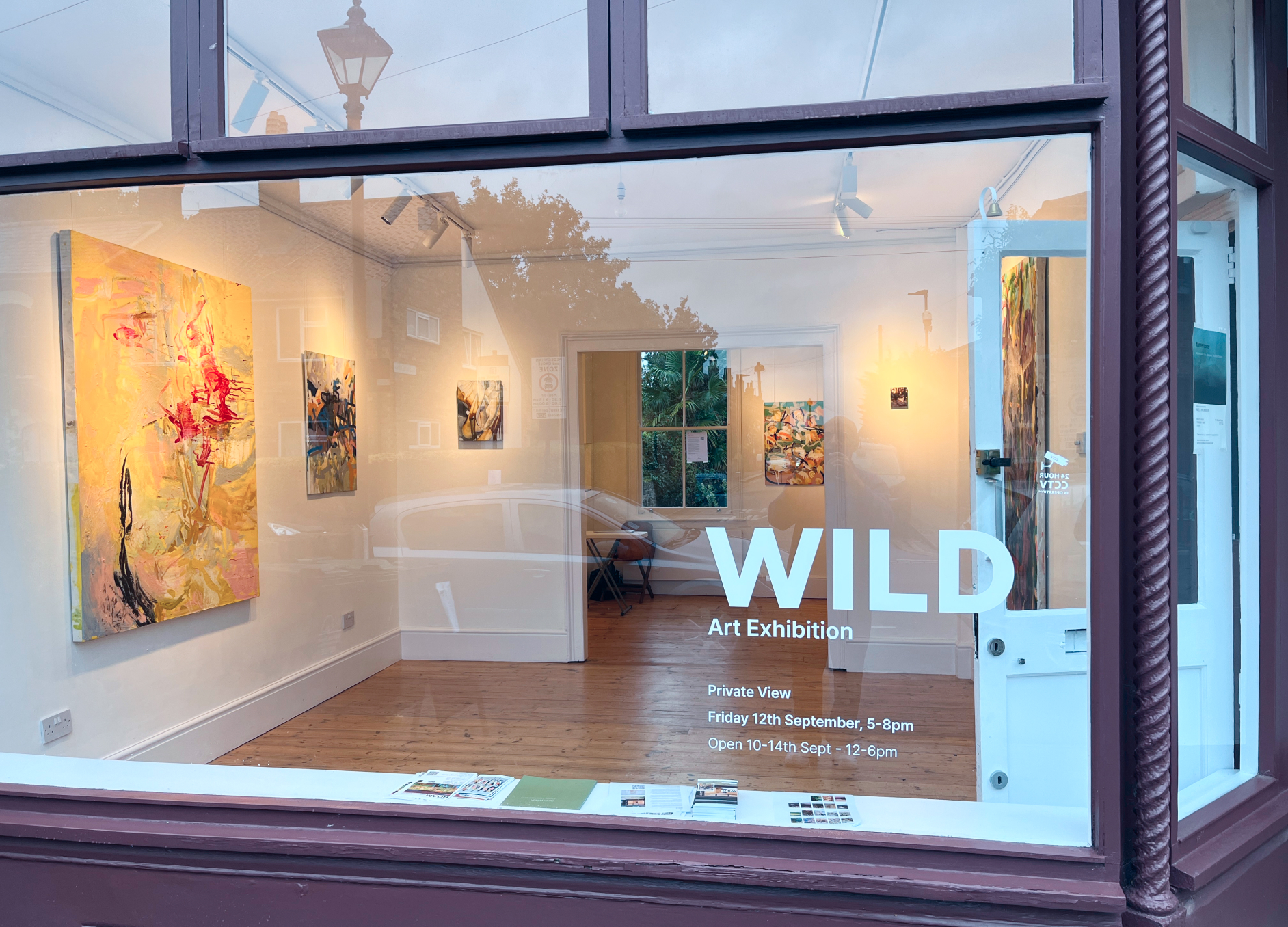
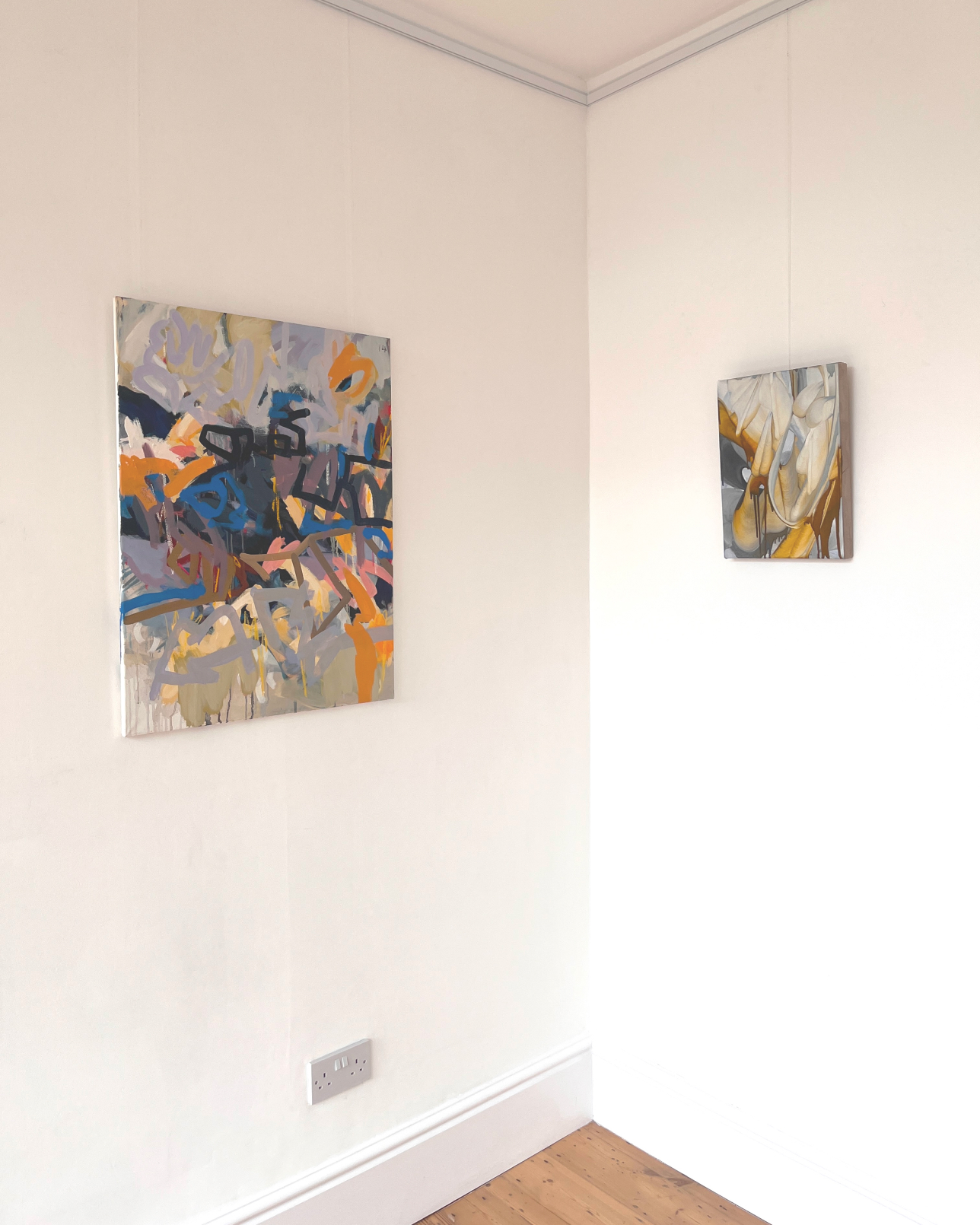
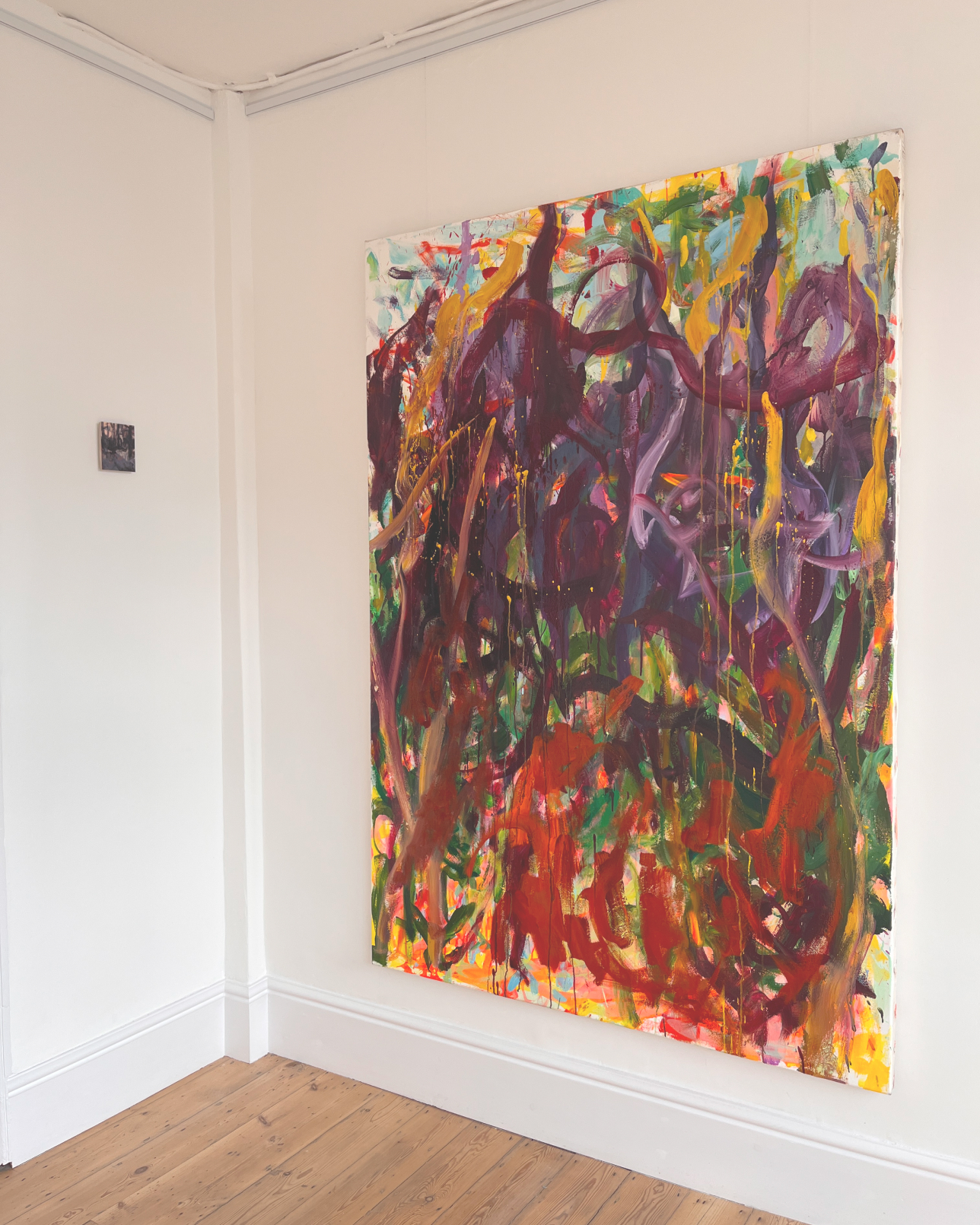
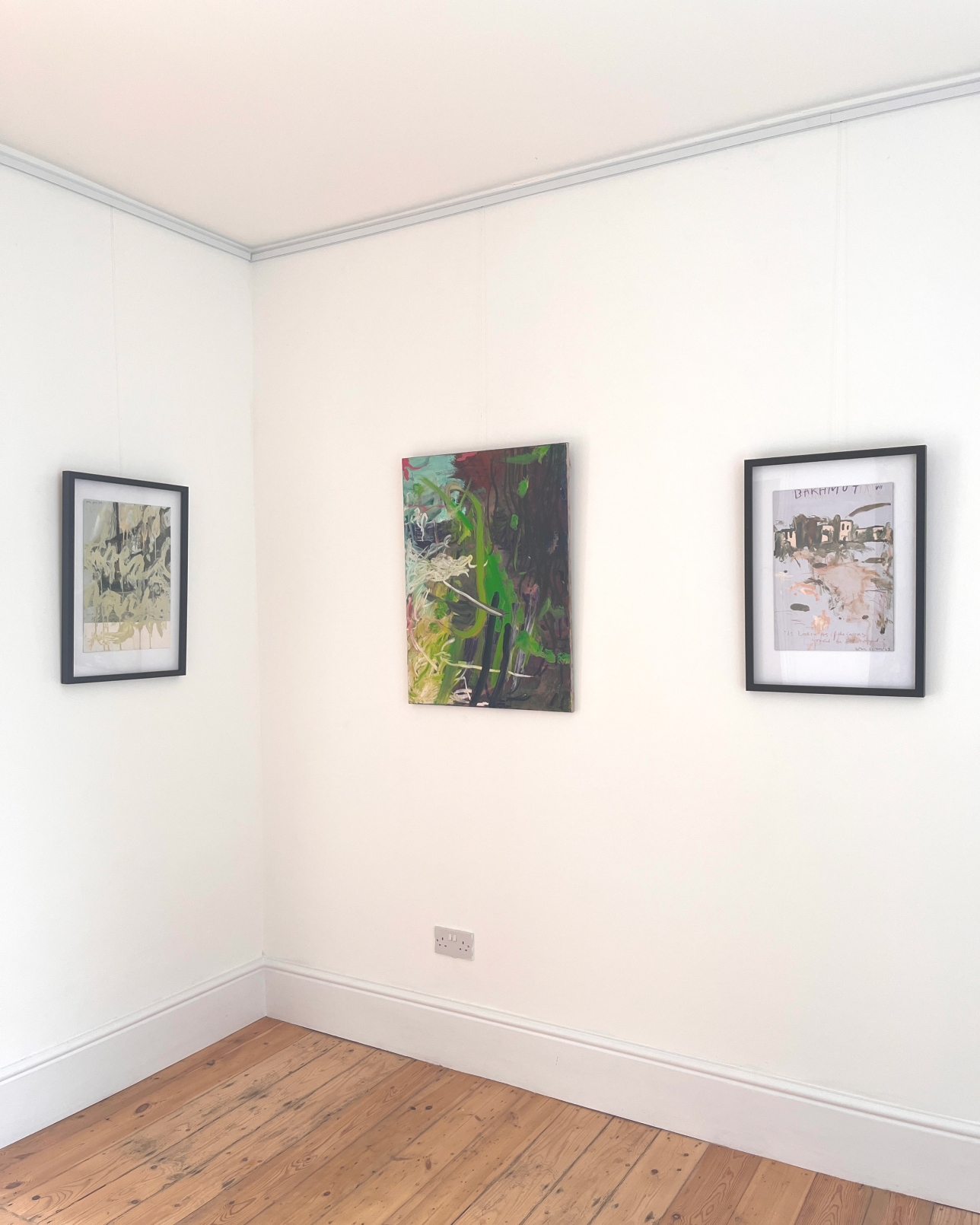
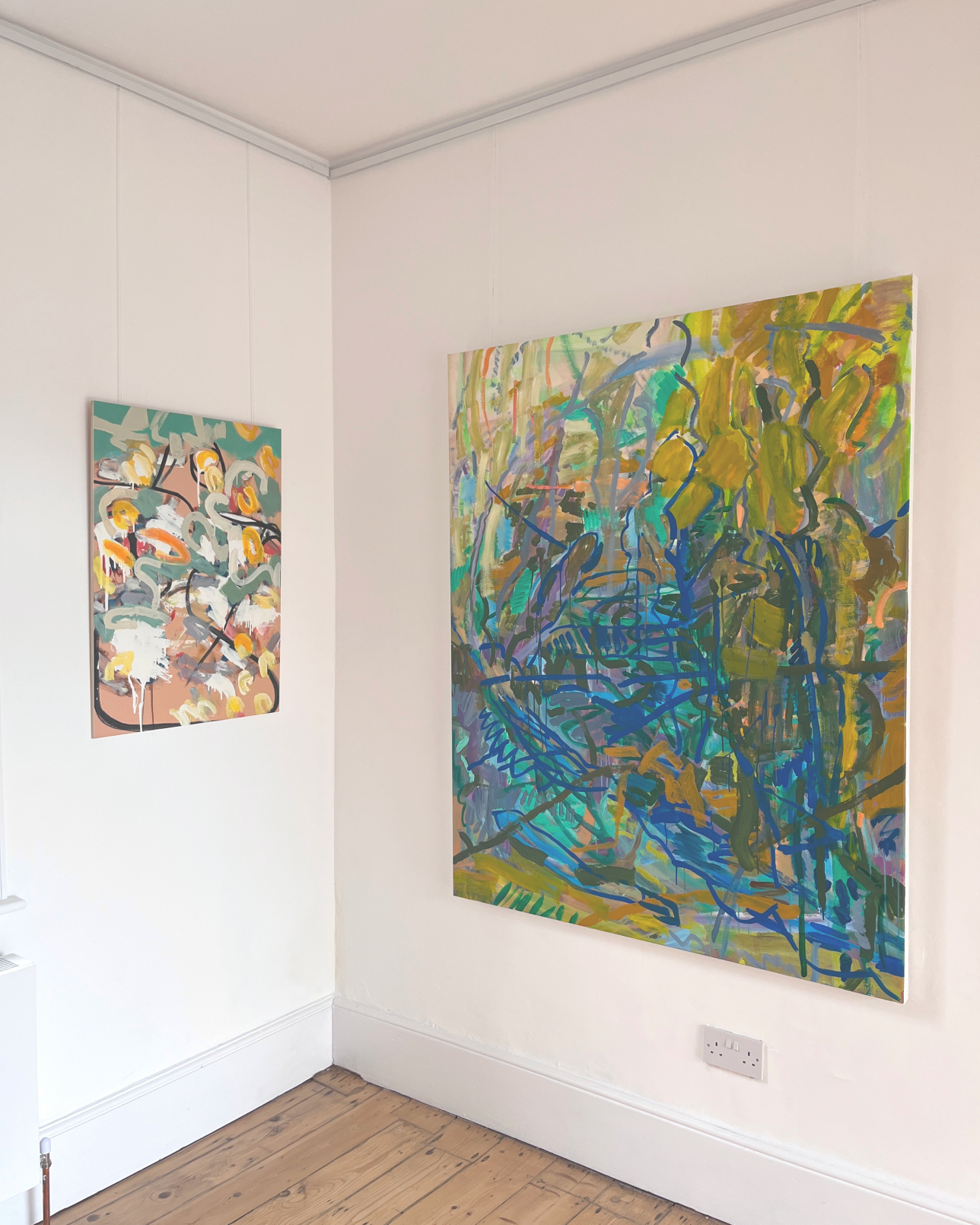
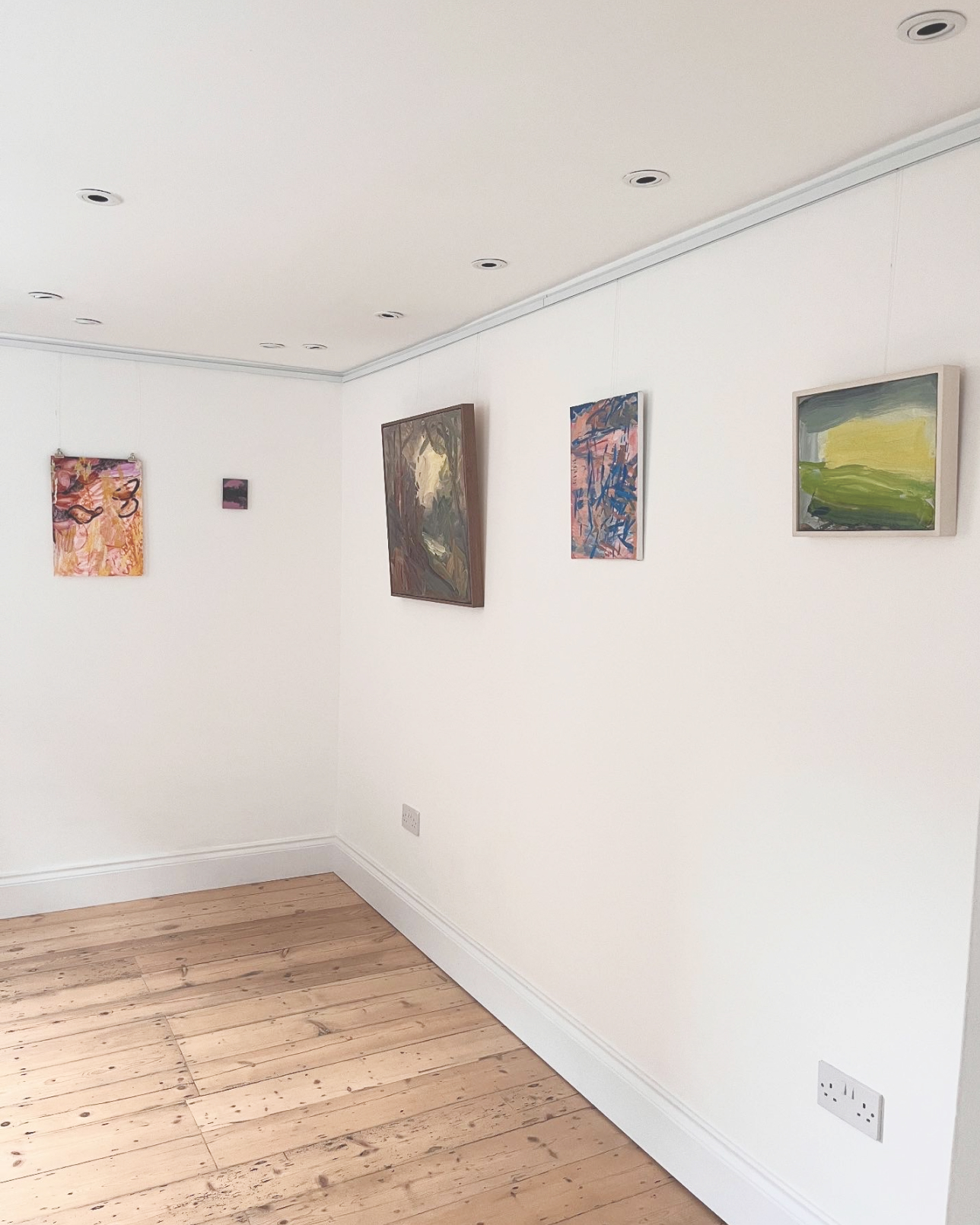
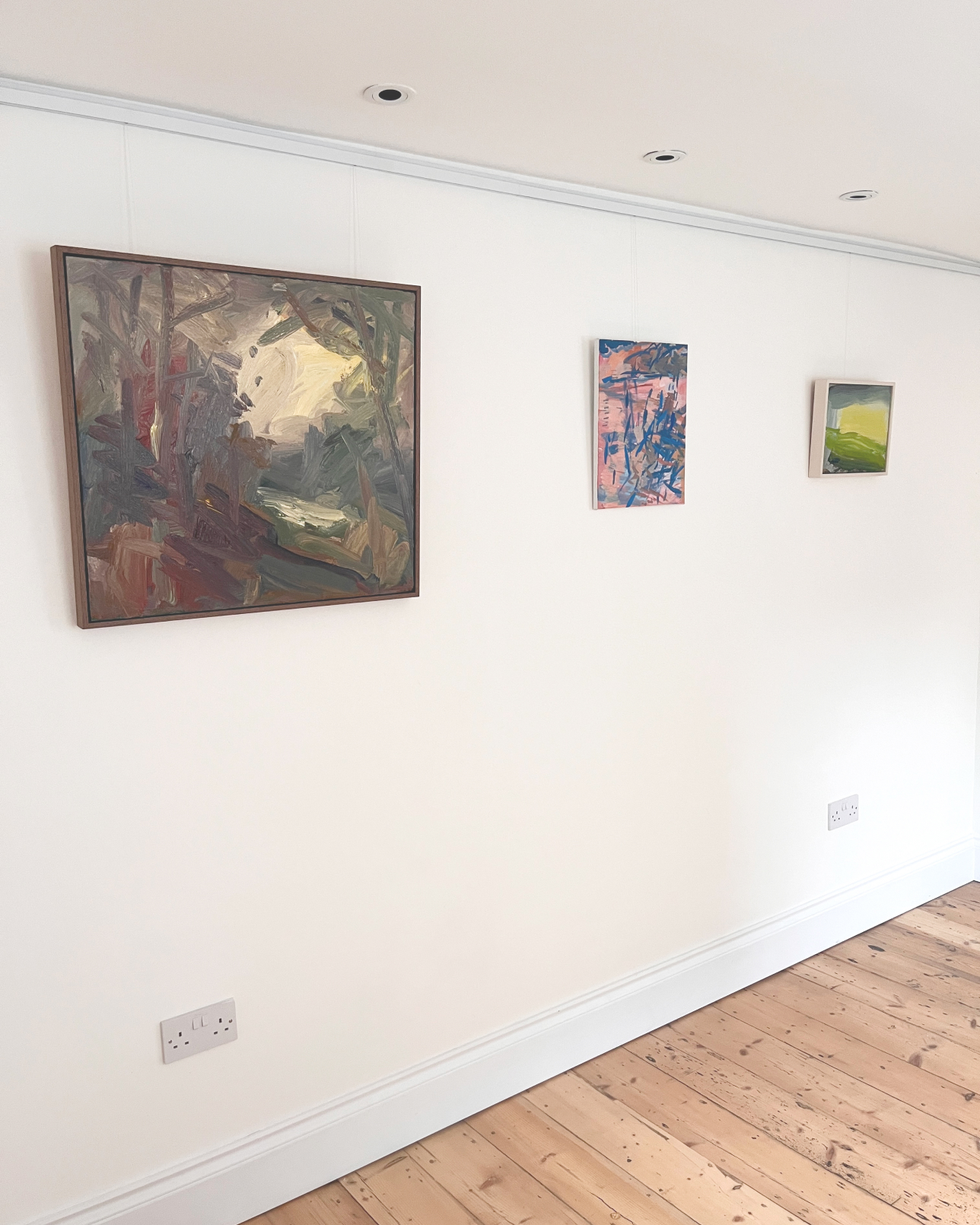
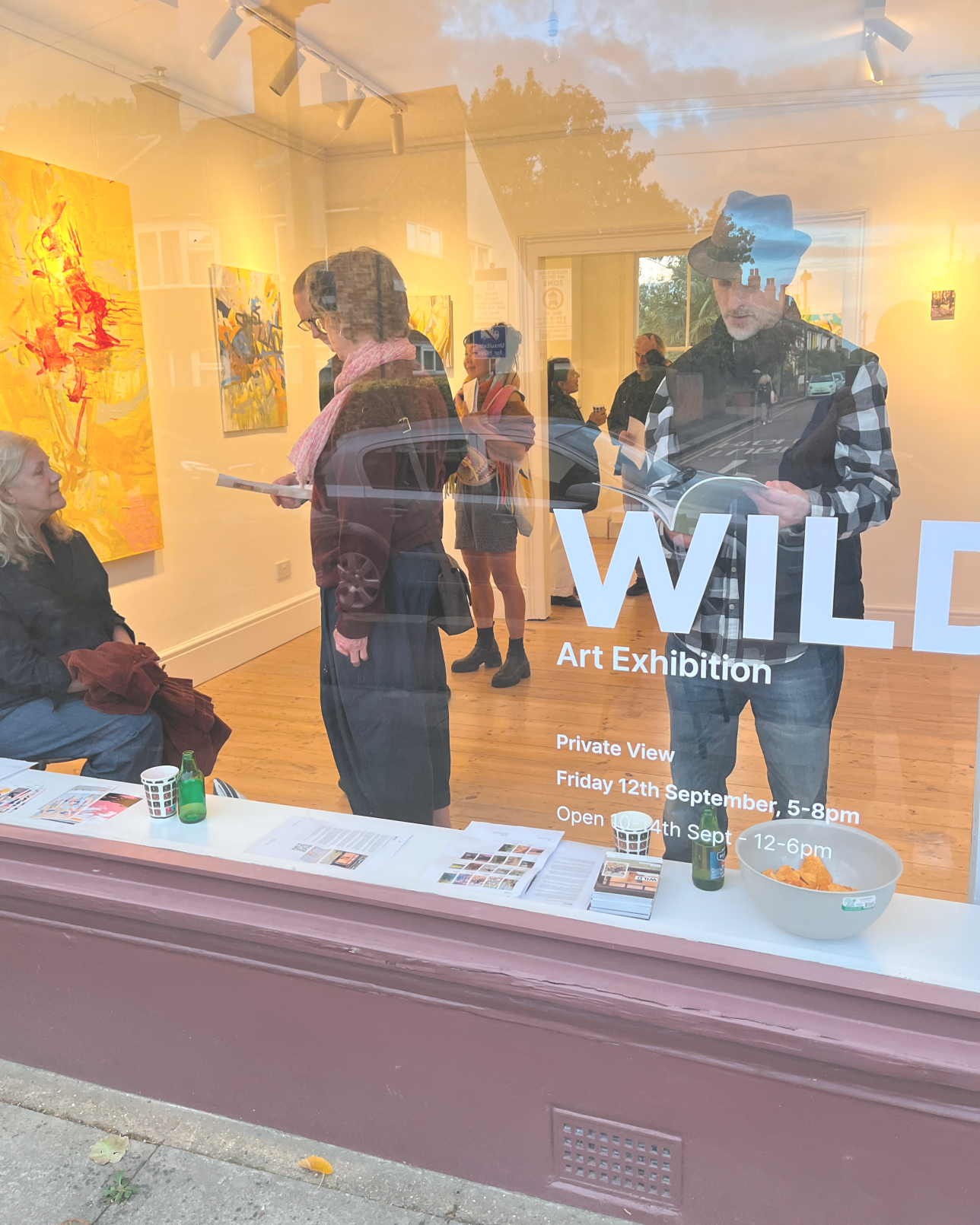
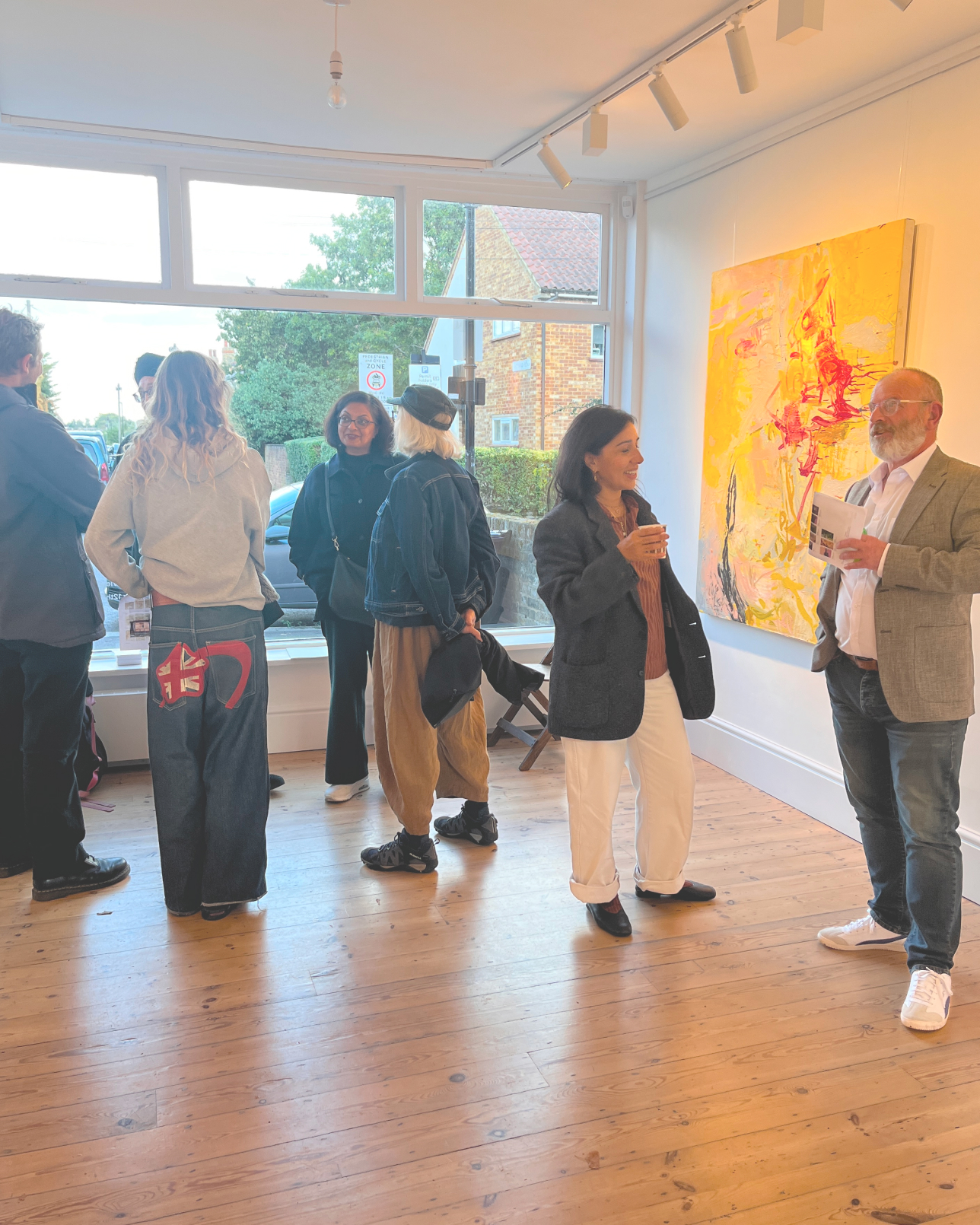
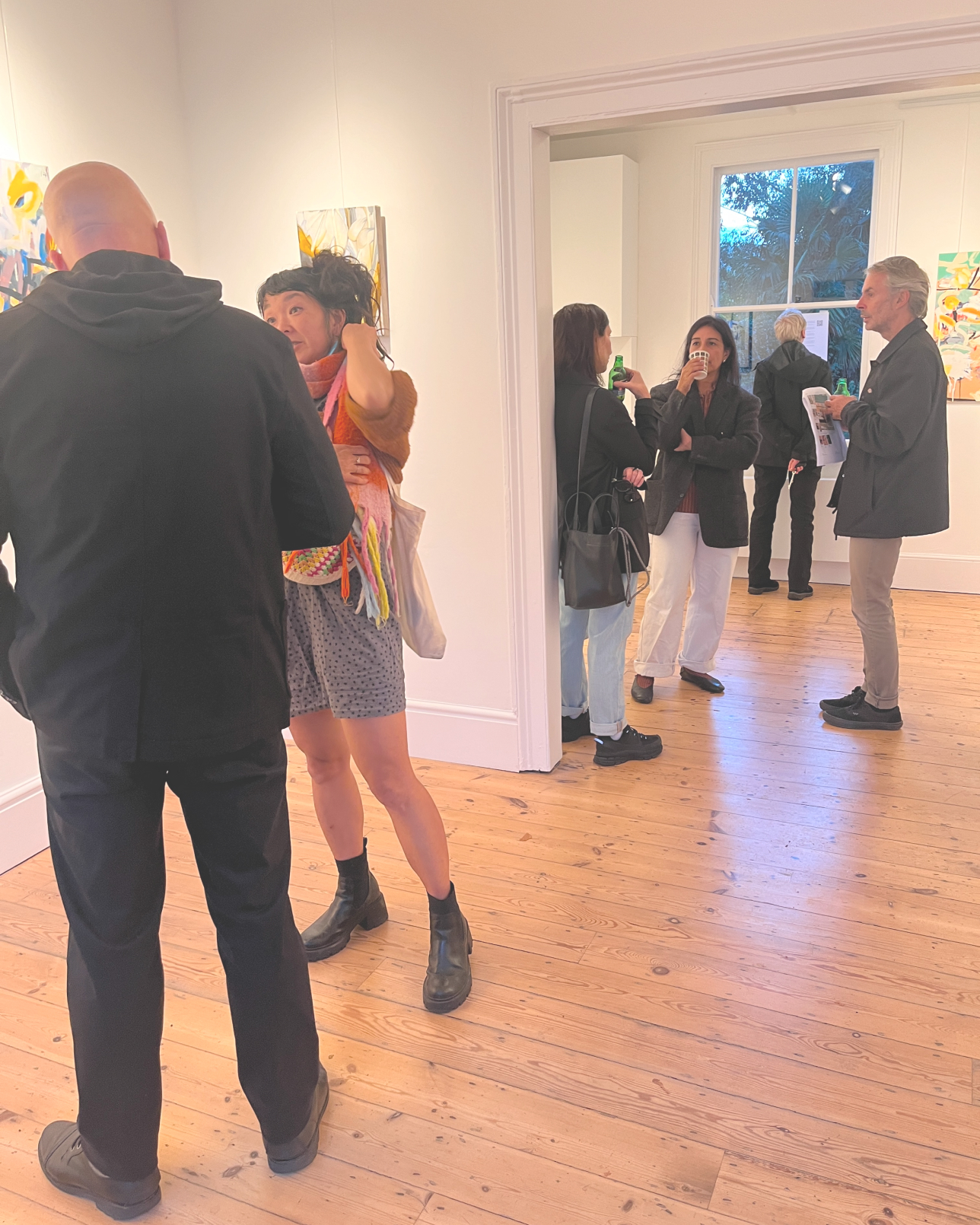
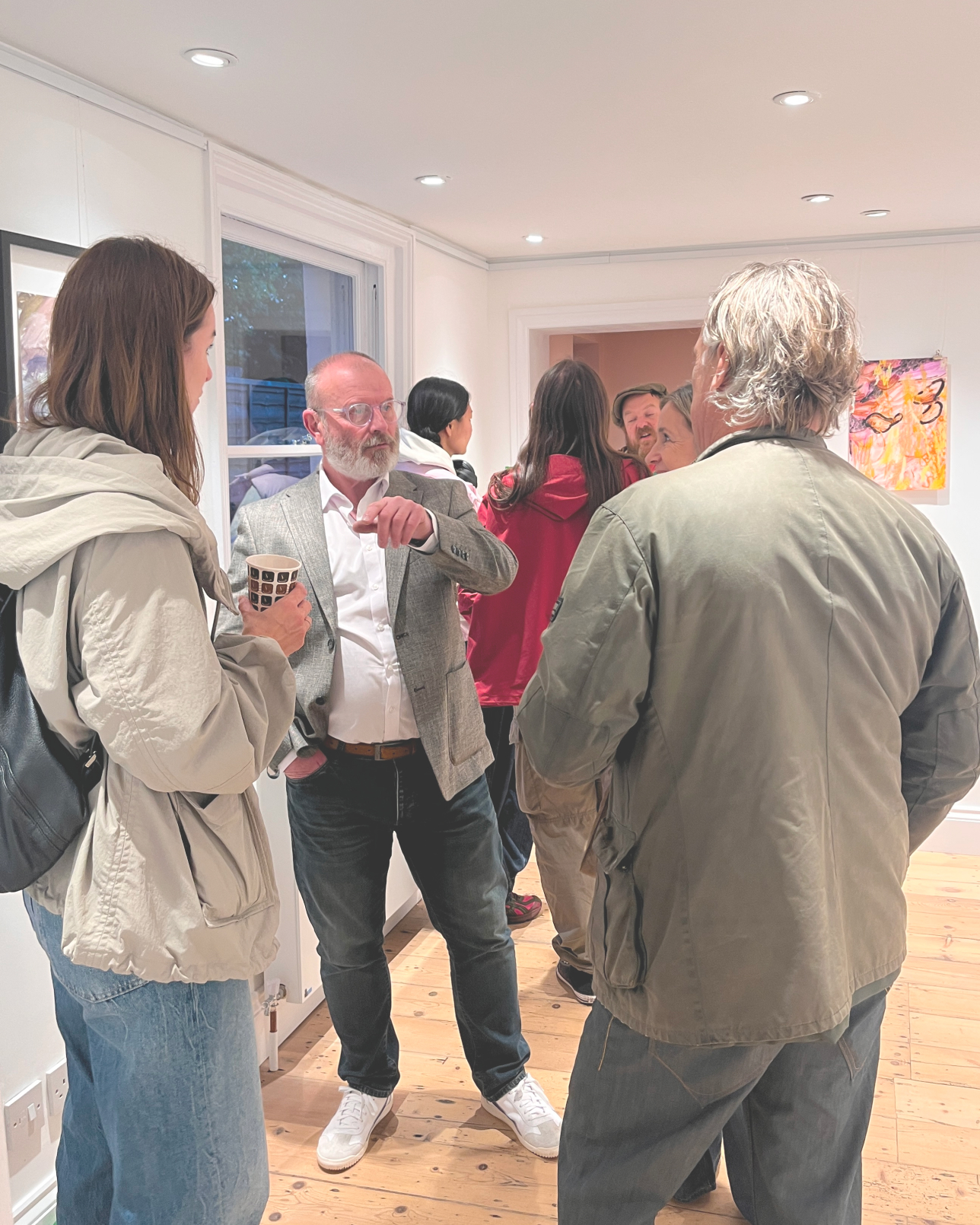
I'm delighted to present the exhibition WILD at the Three Rooms Gallery in Walthamstow. A group show, presenting nine artists curated by Stephen Keane.
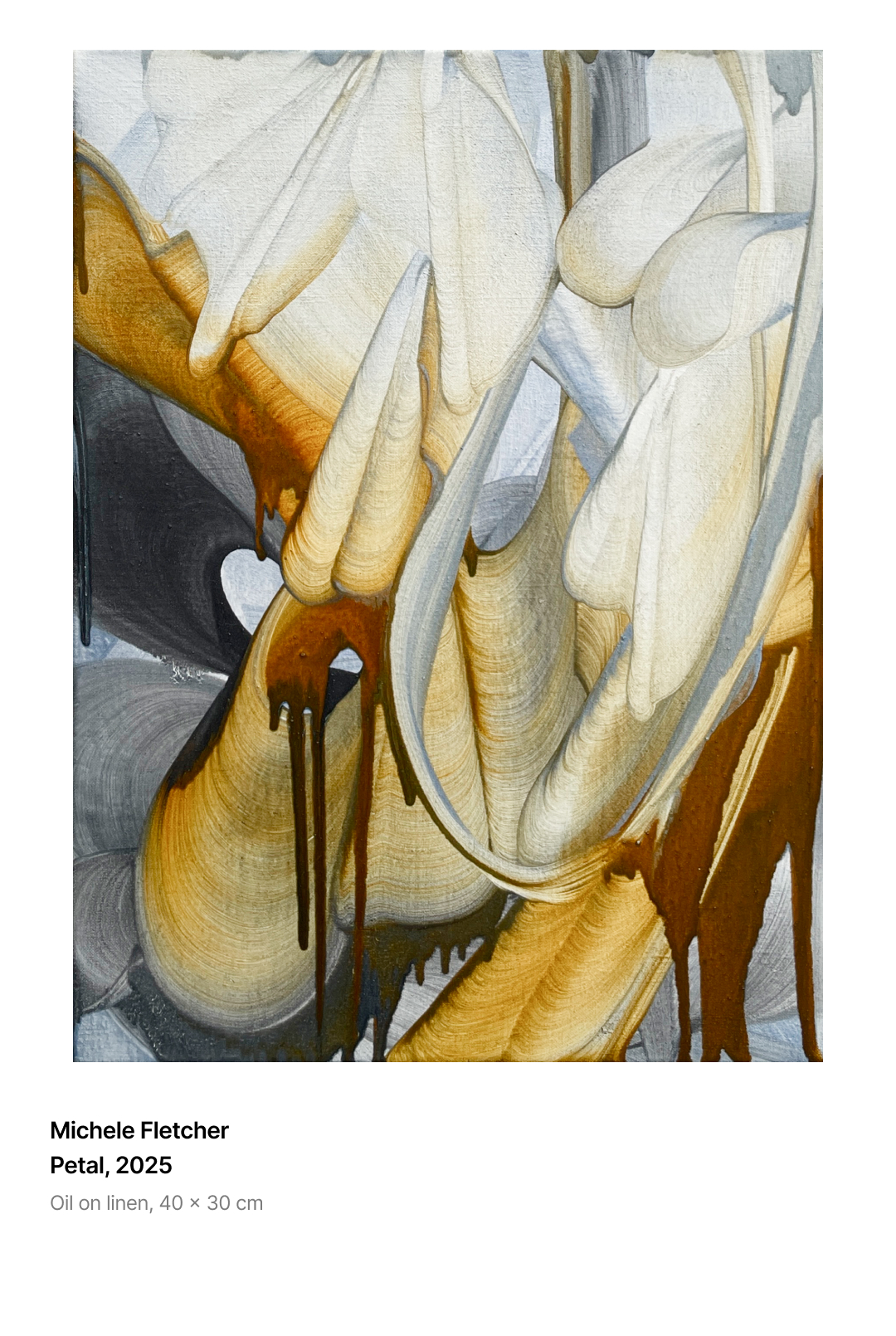
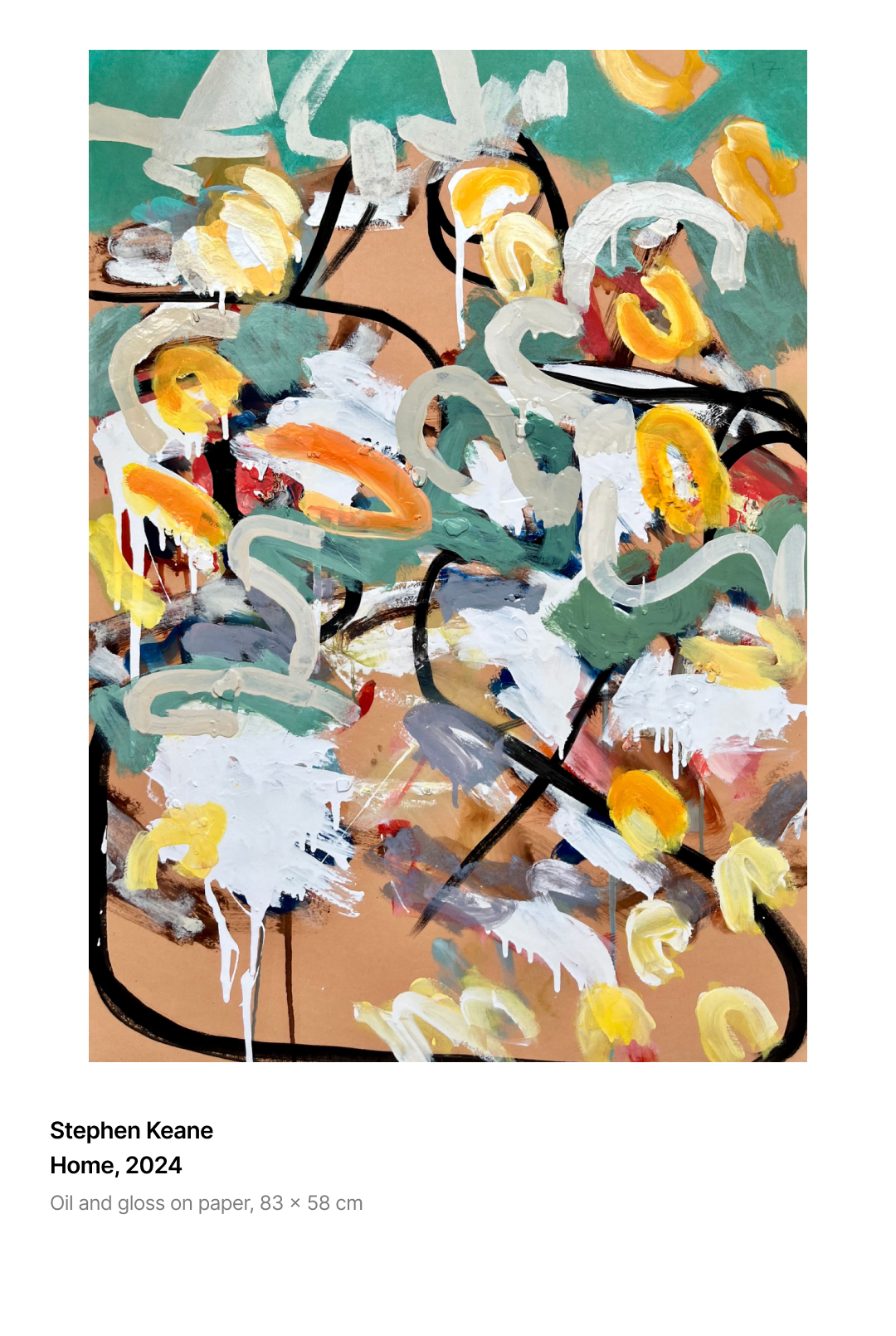
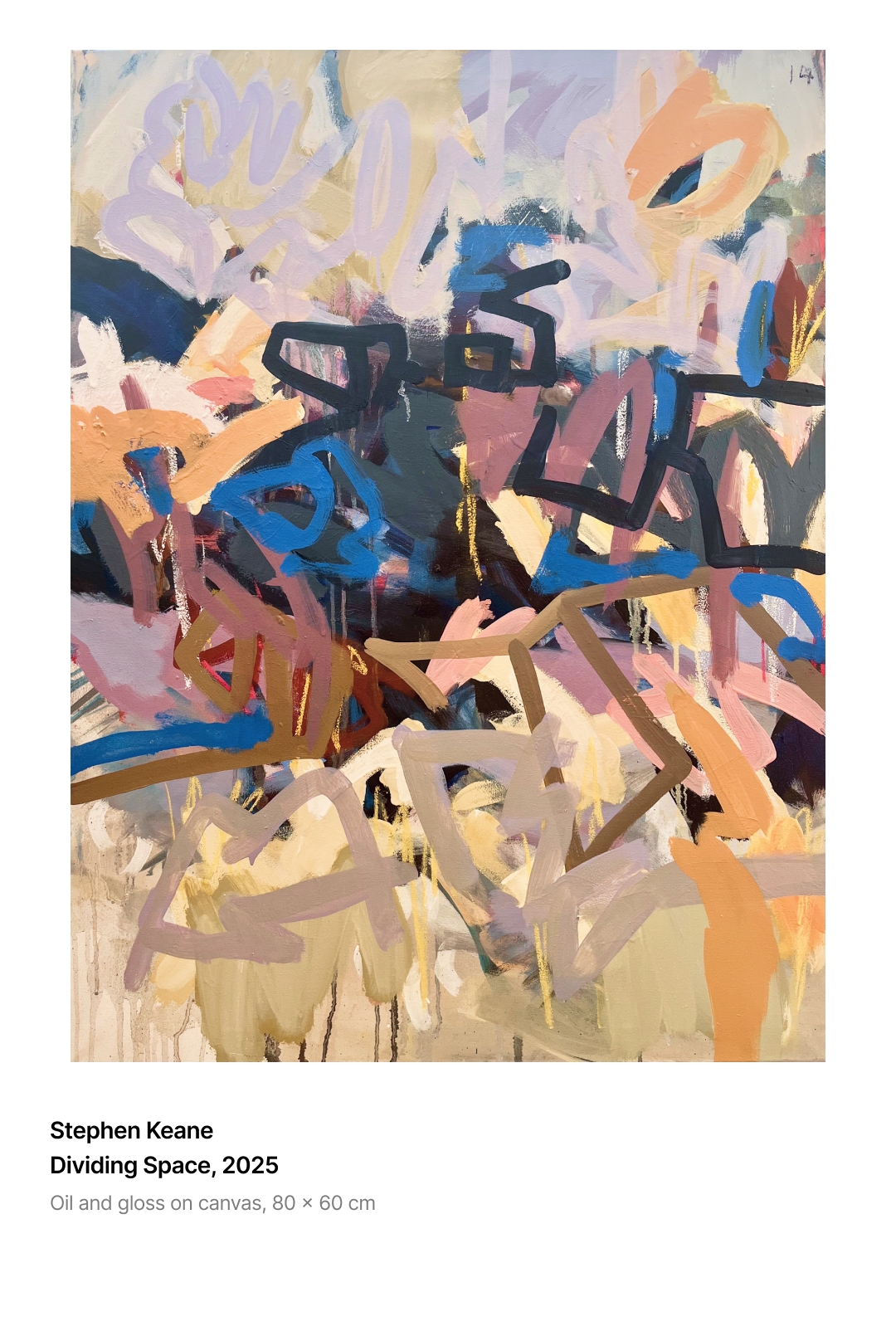
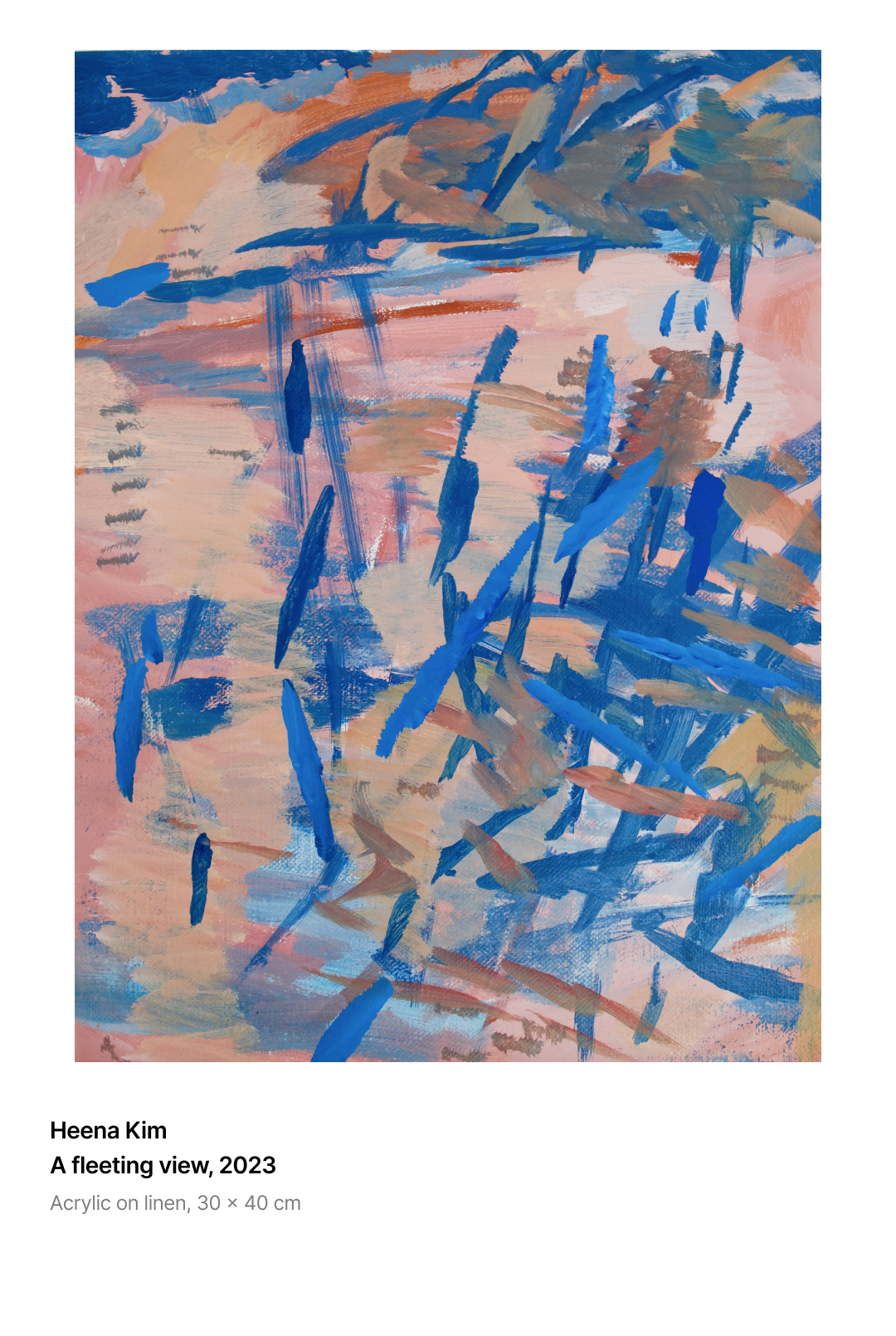
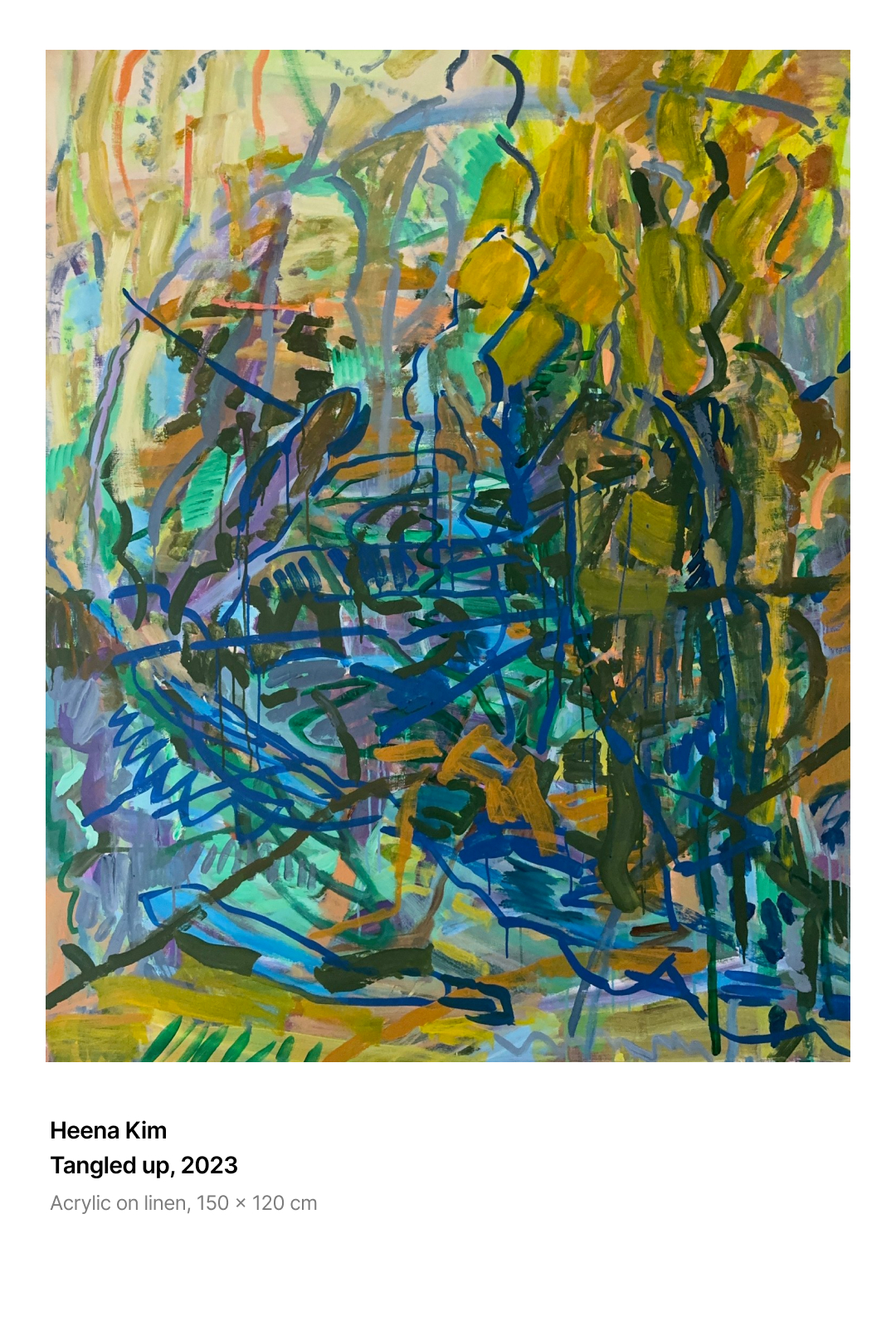
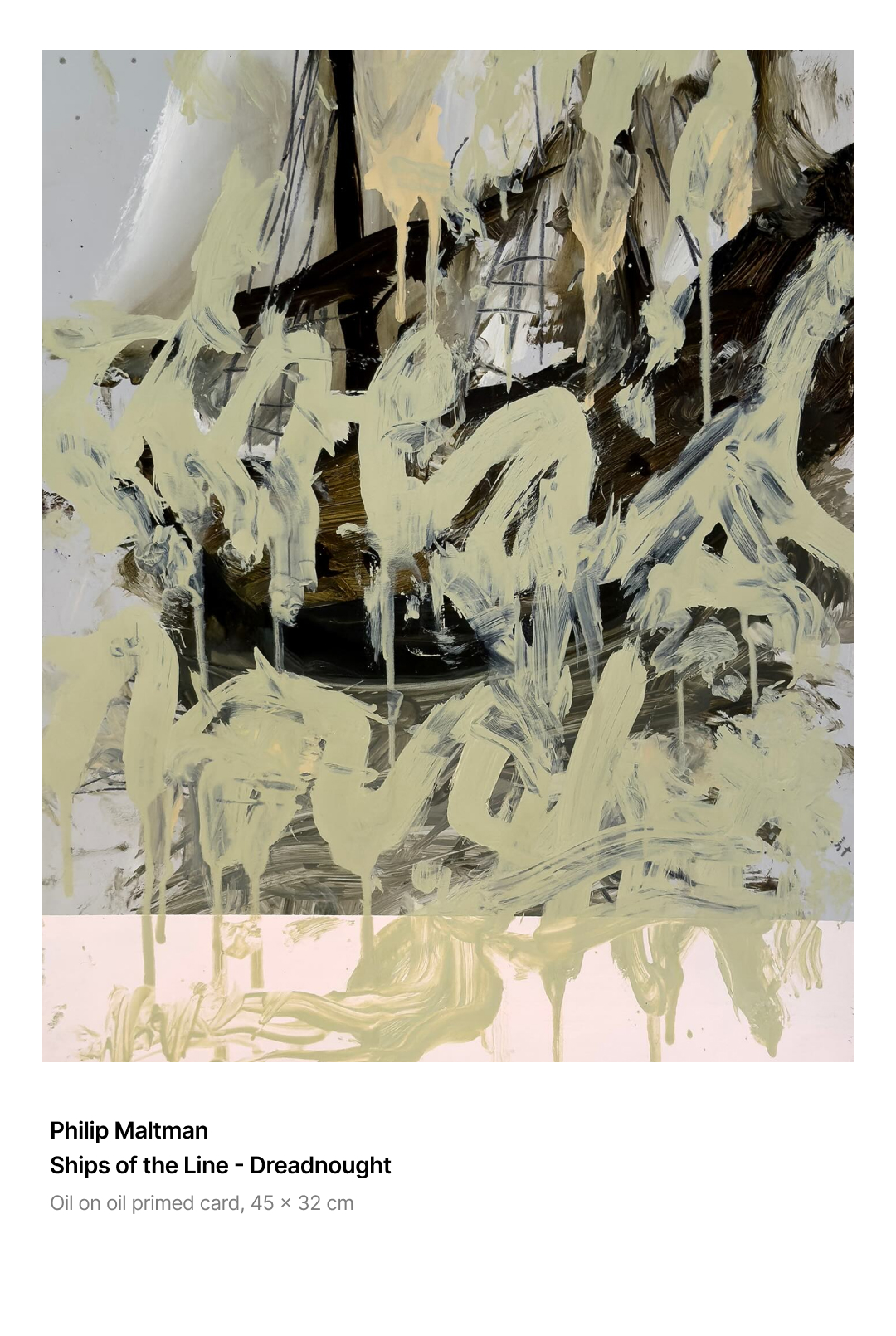
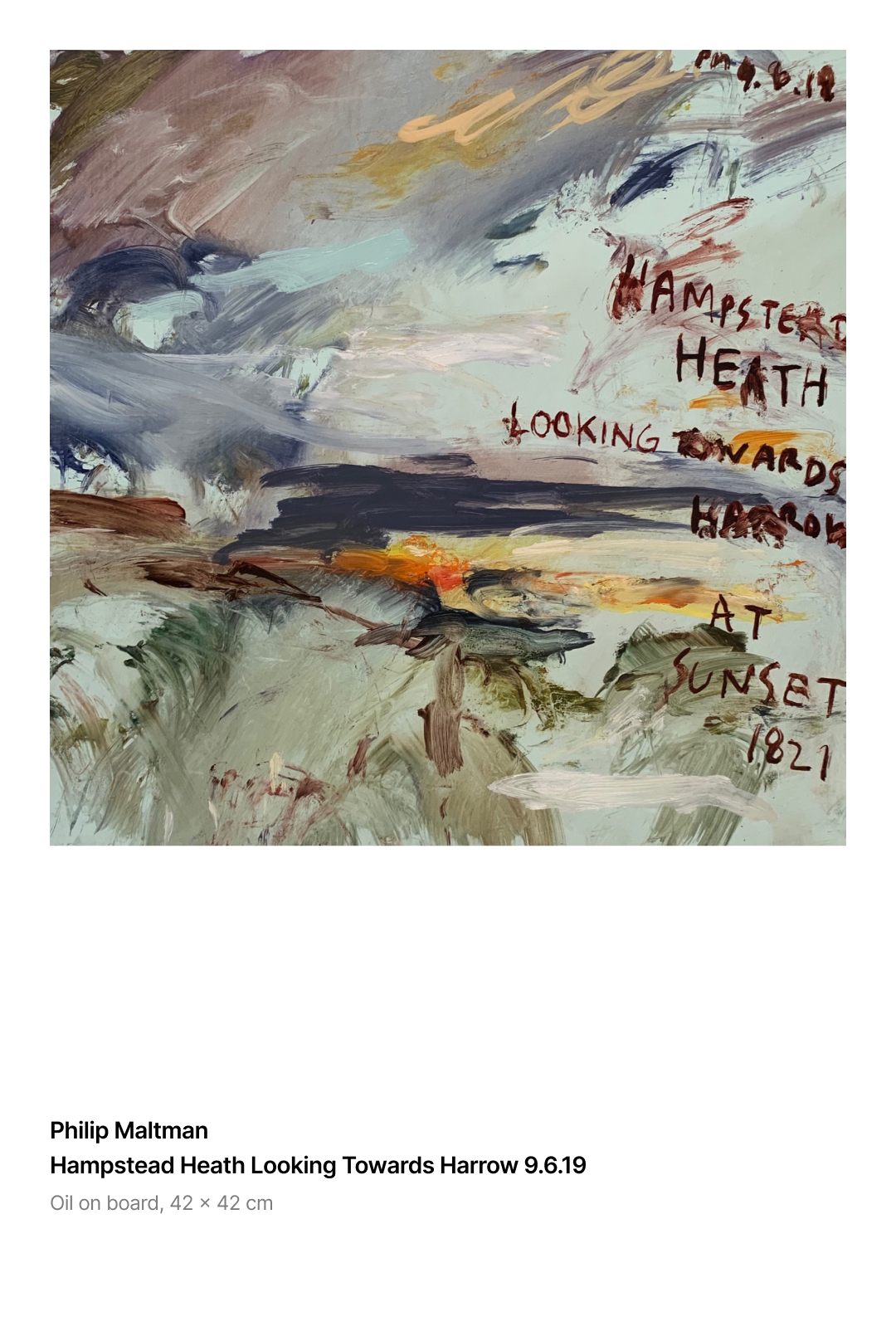
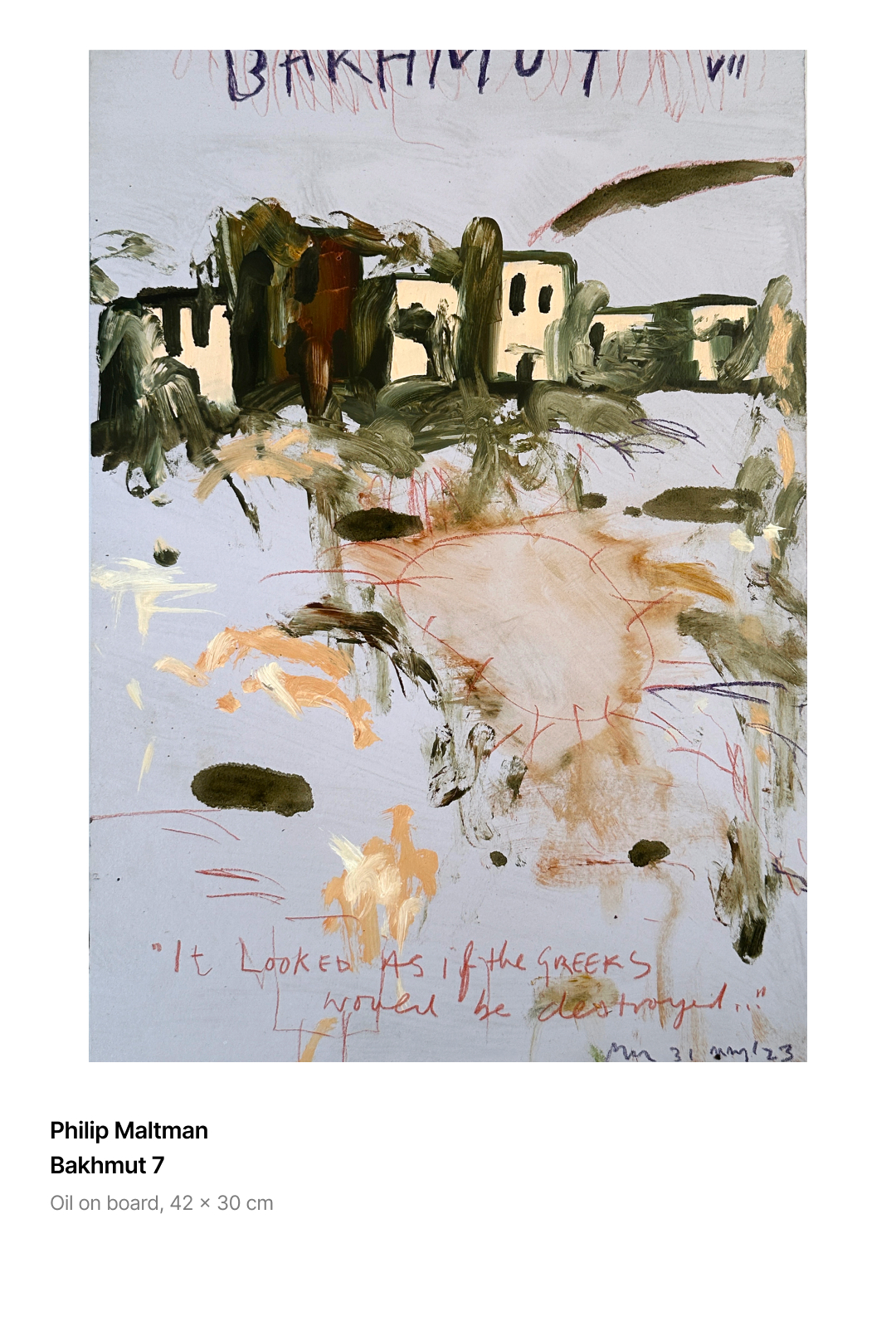
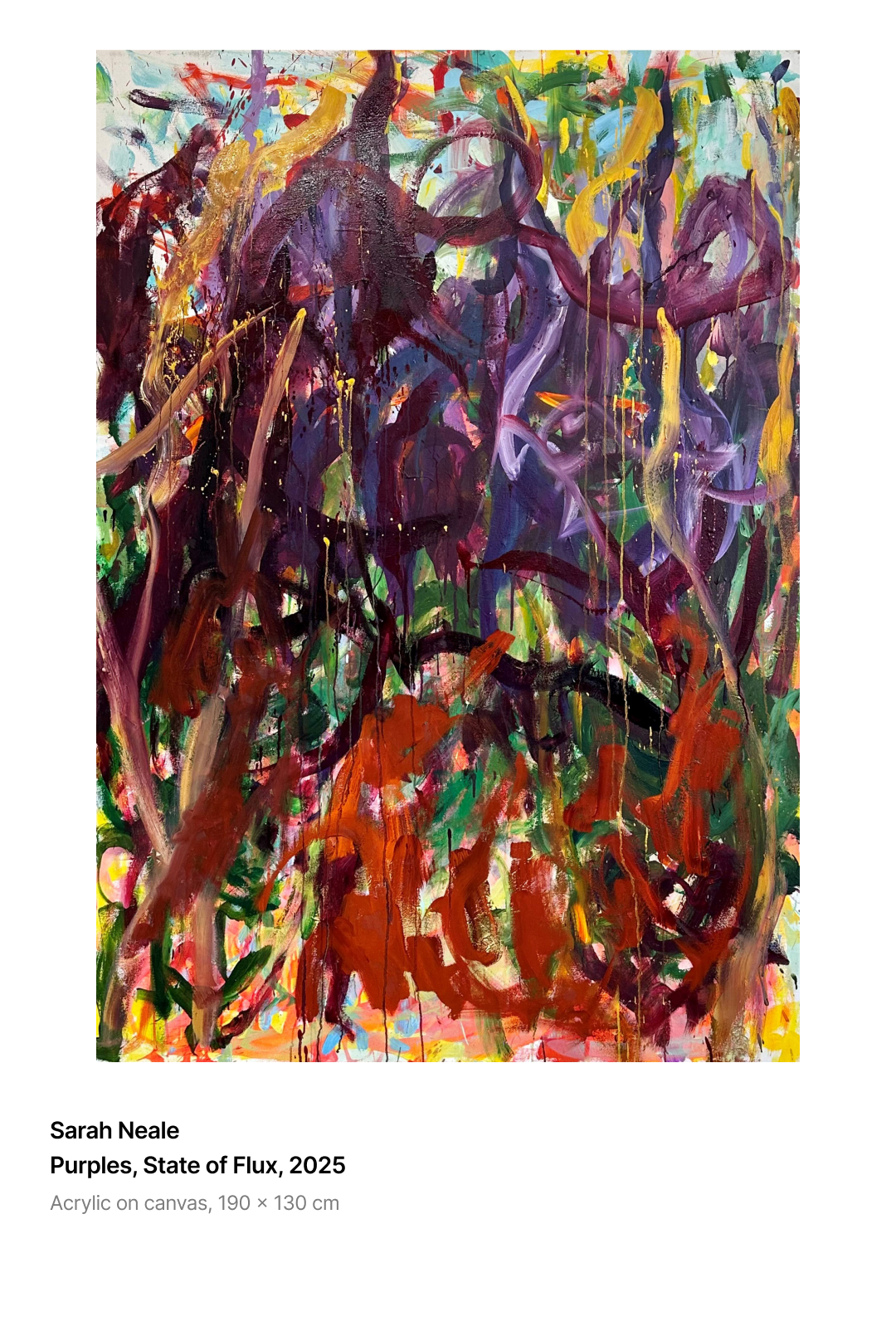
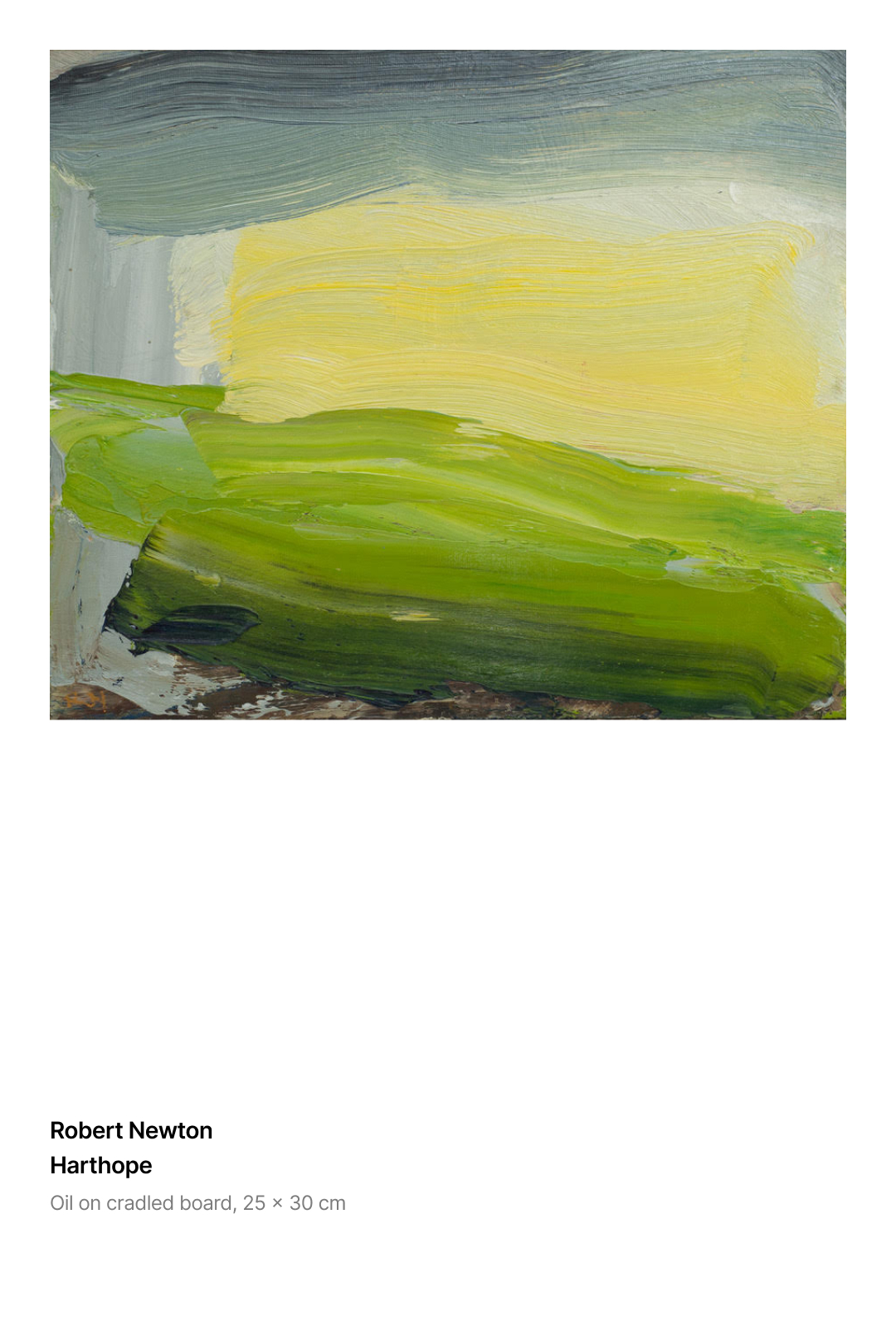
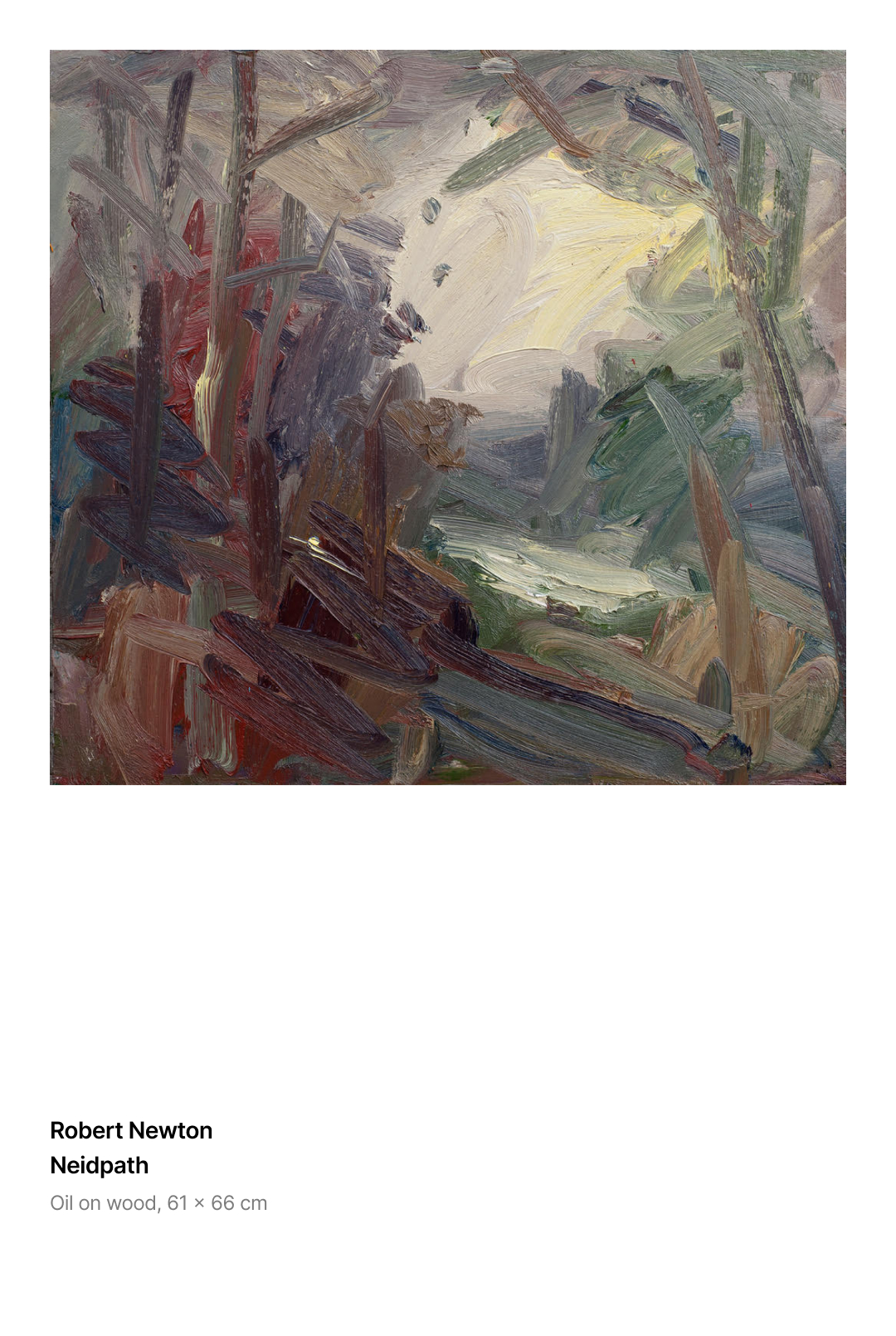
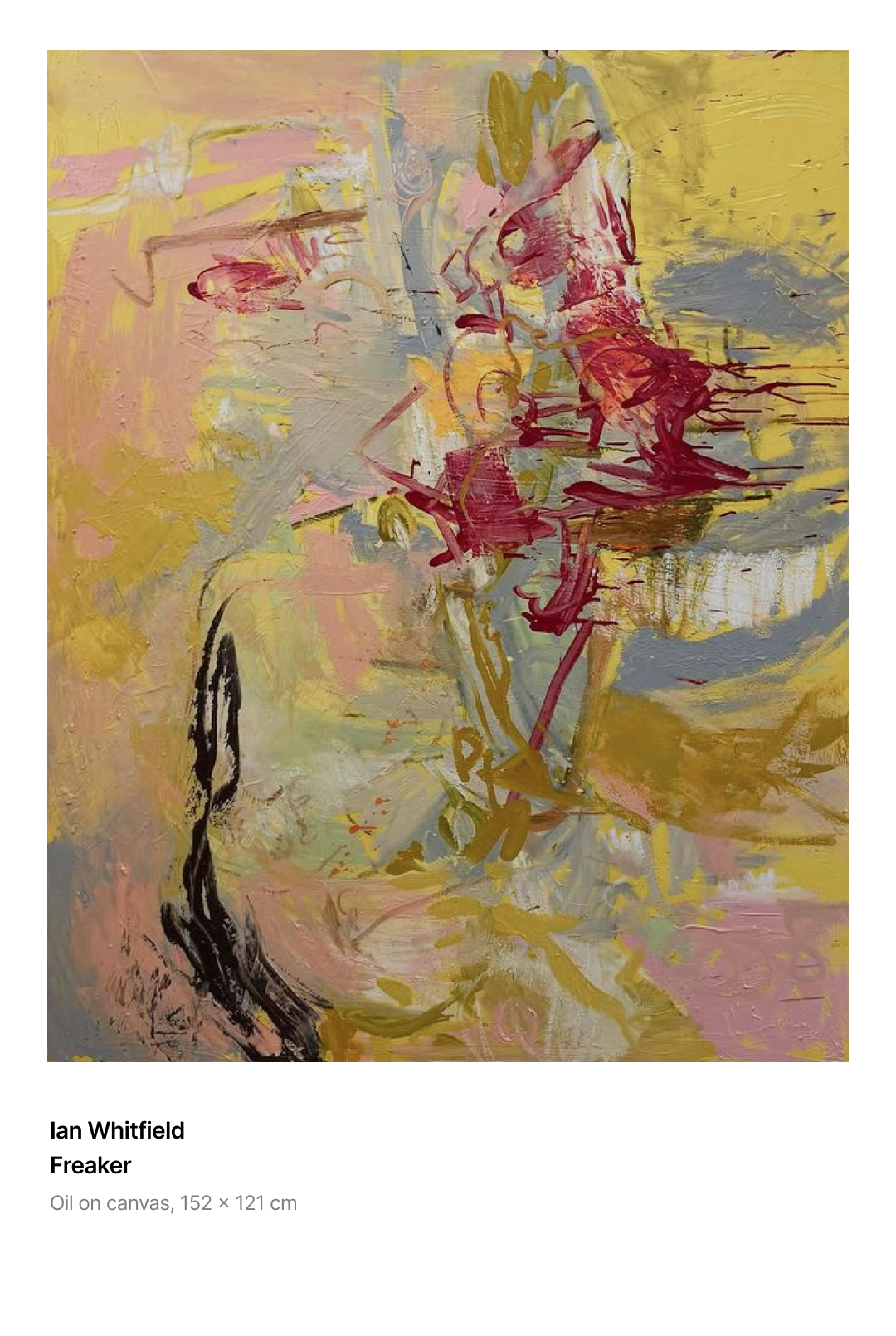
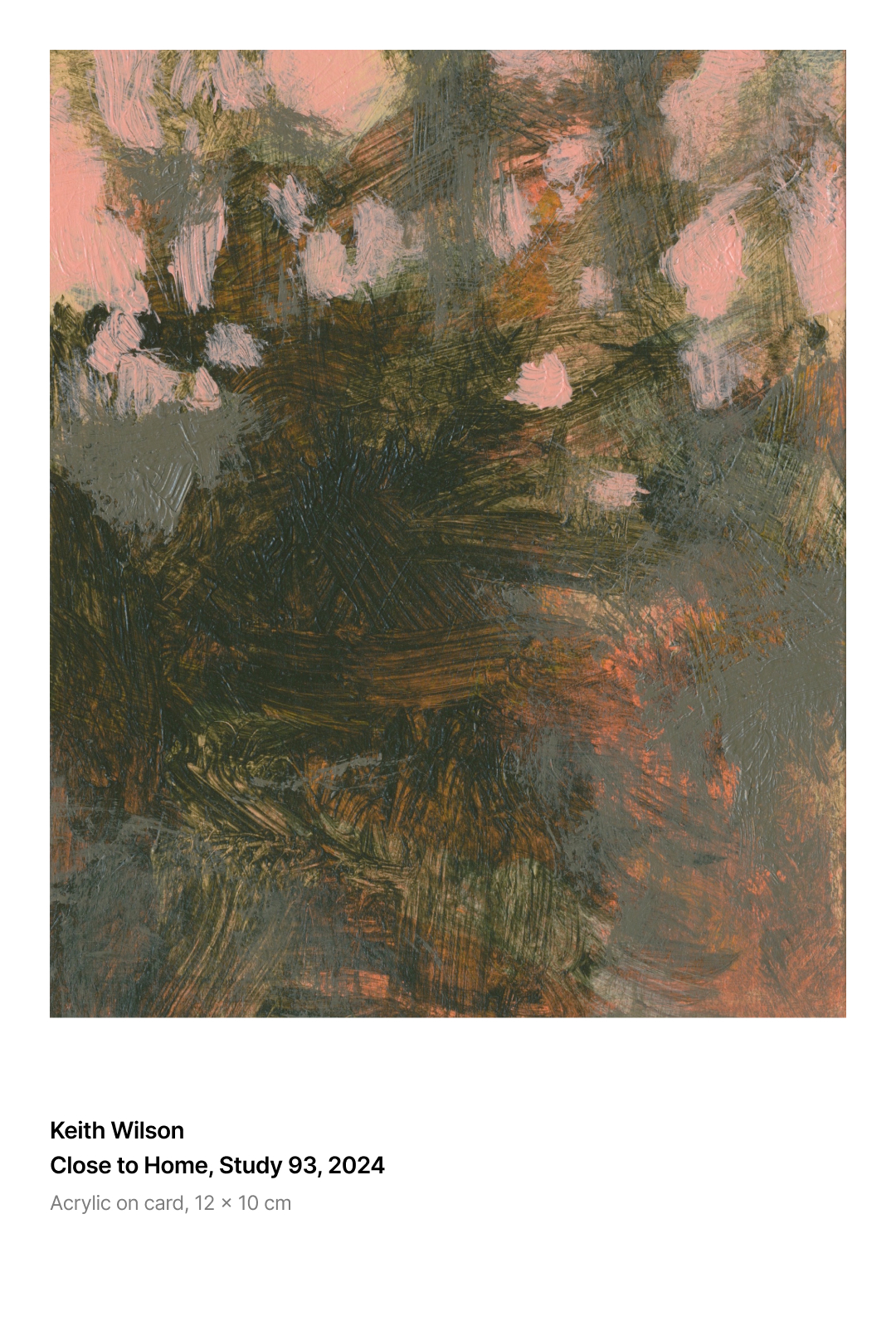
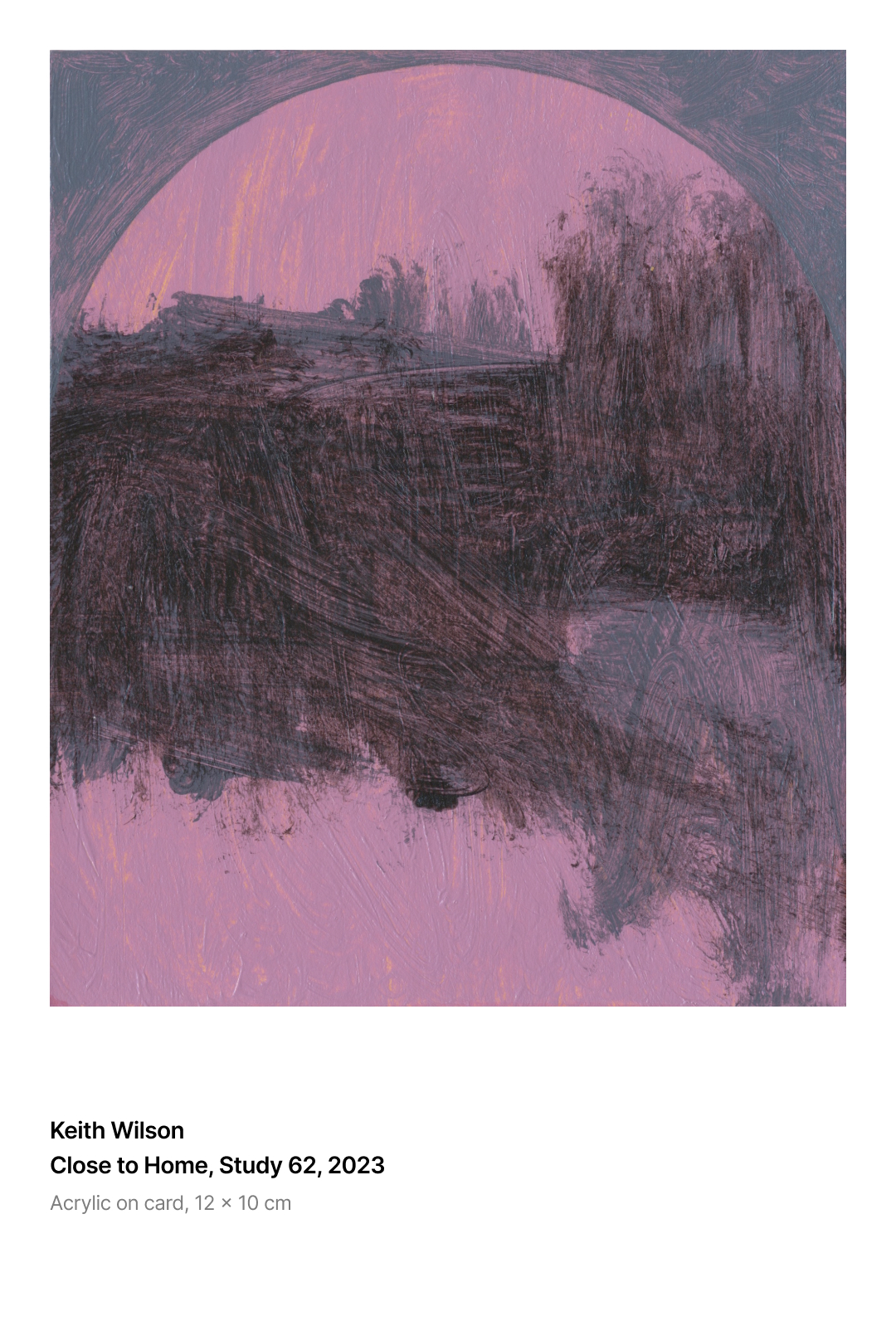
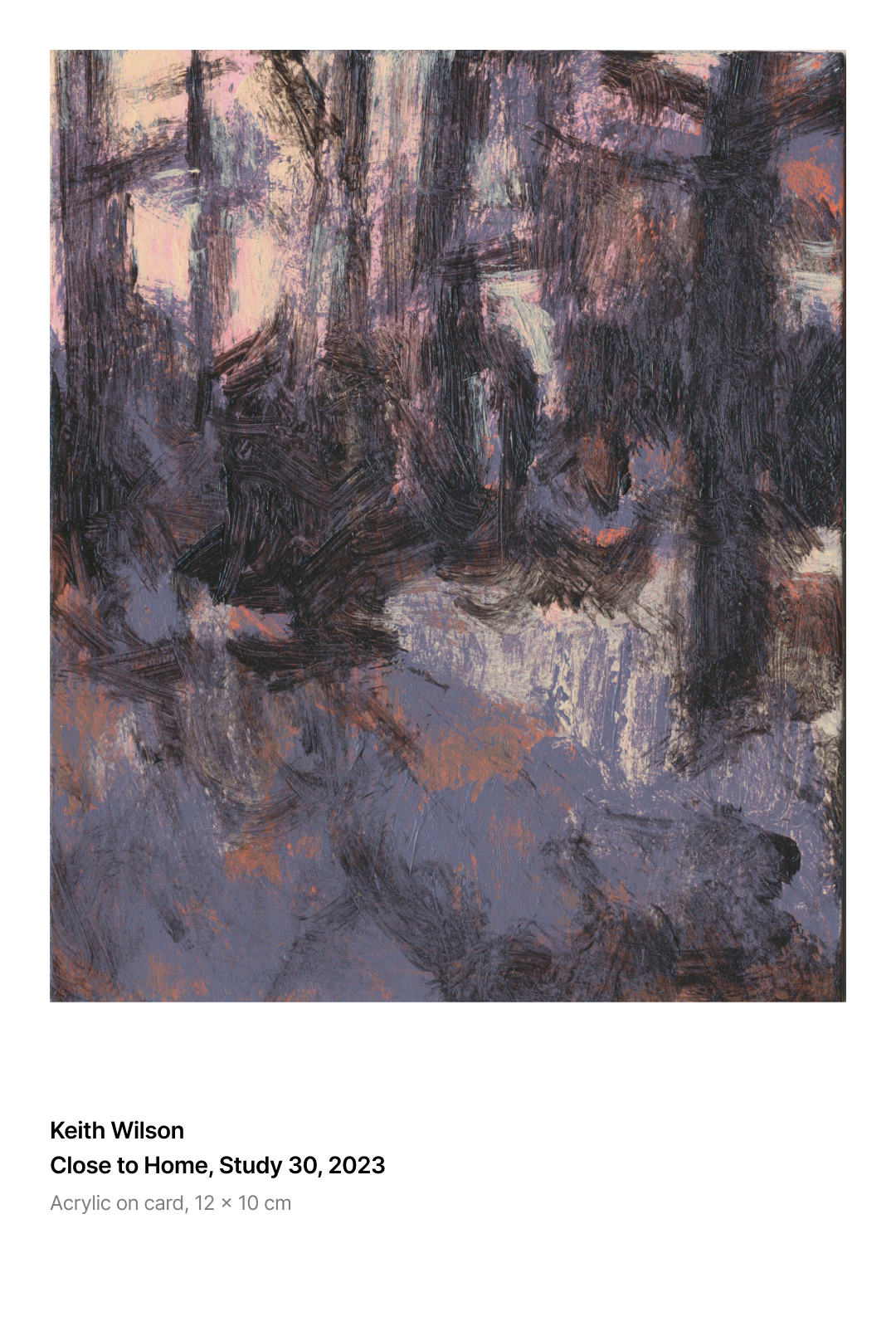
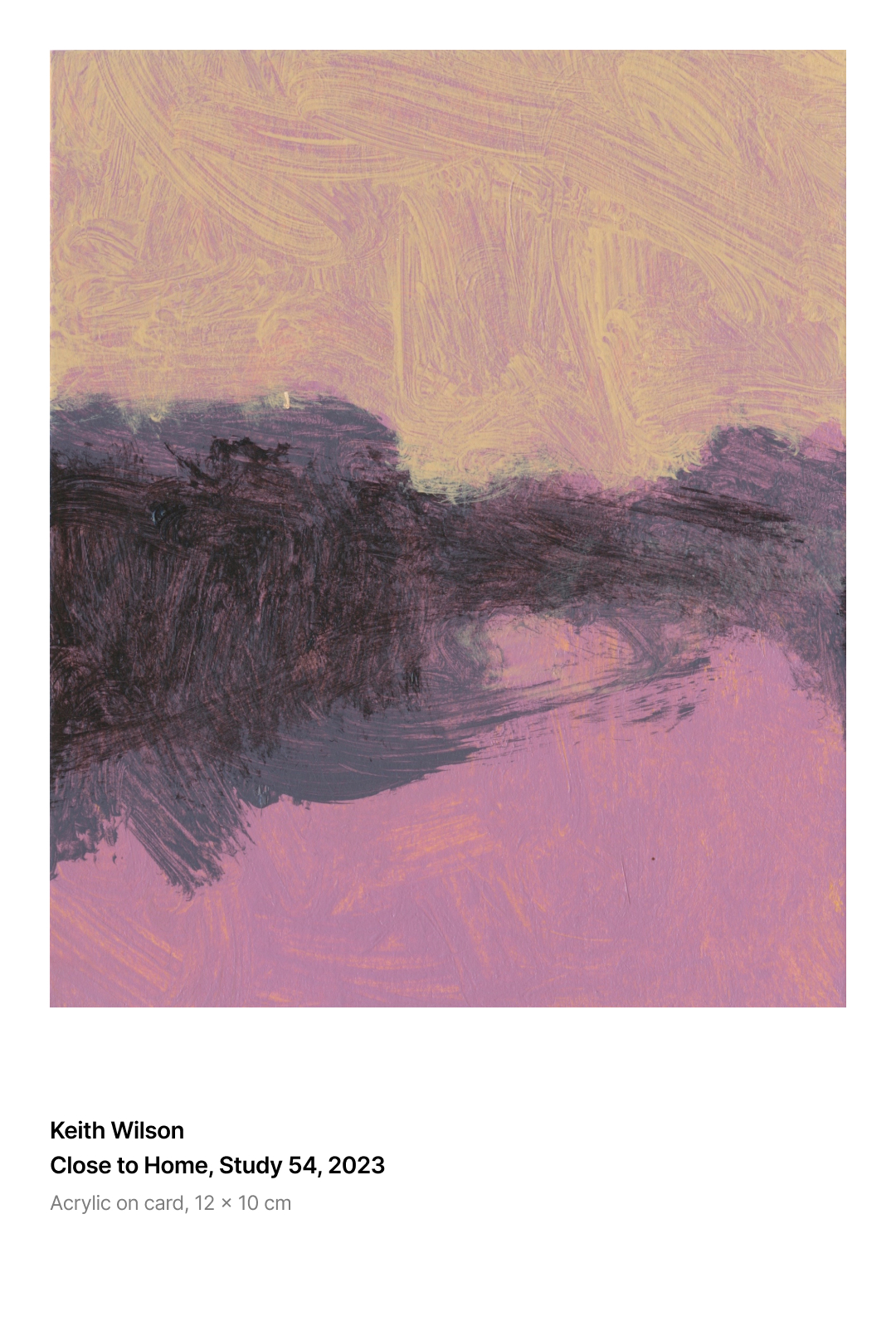
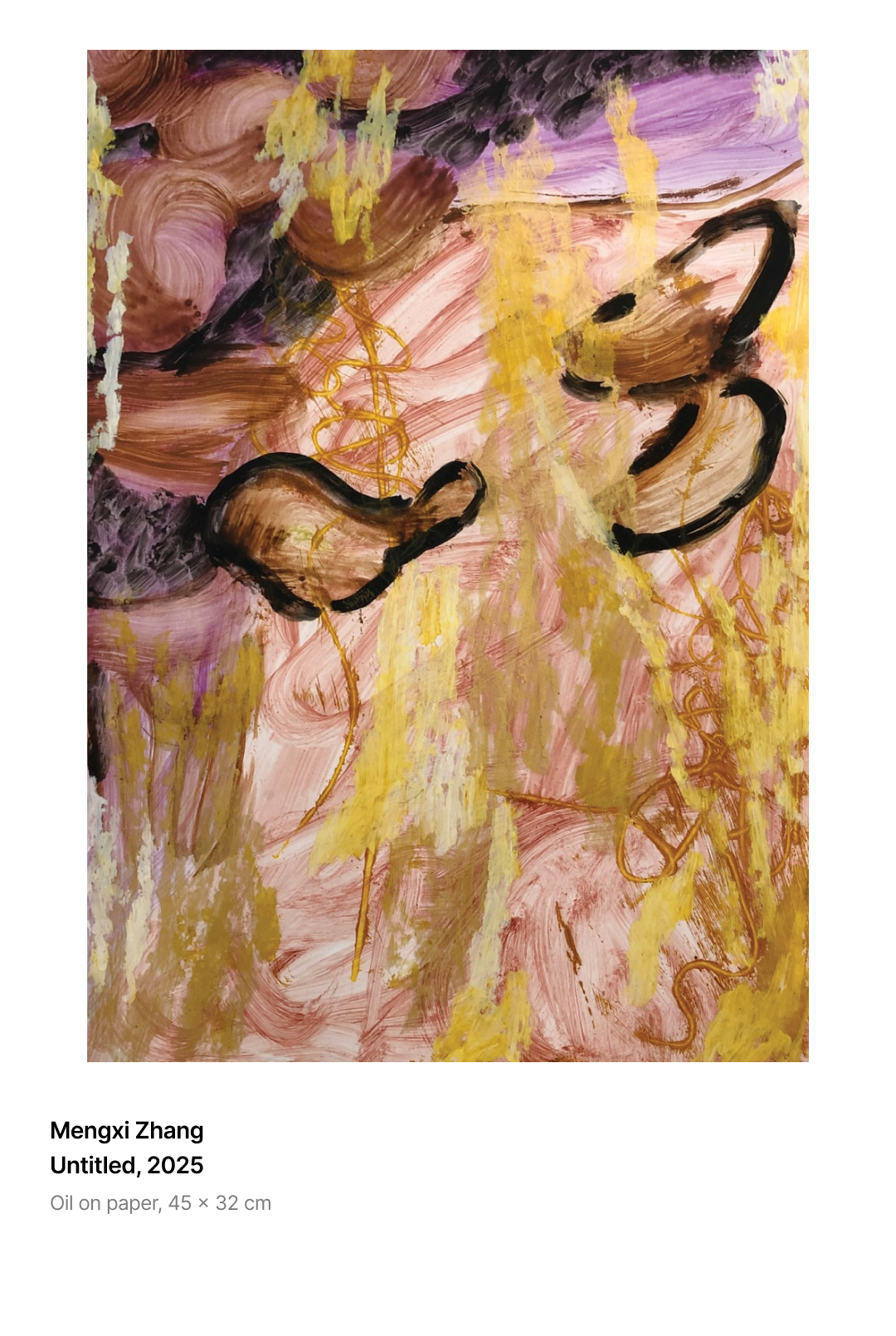
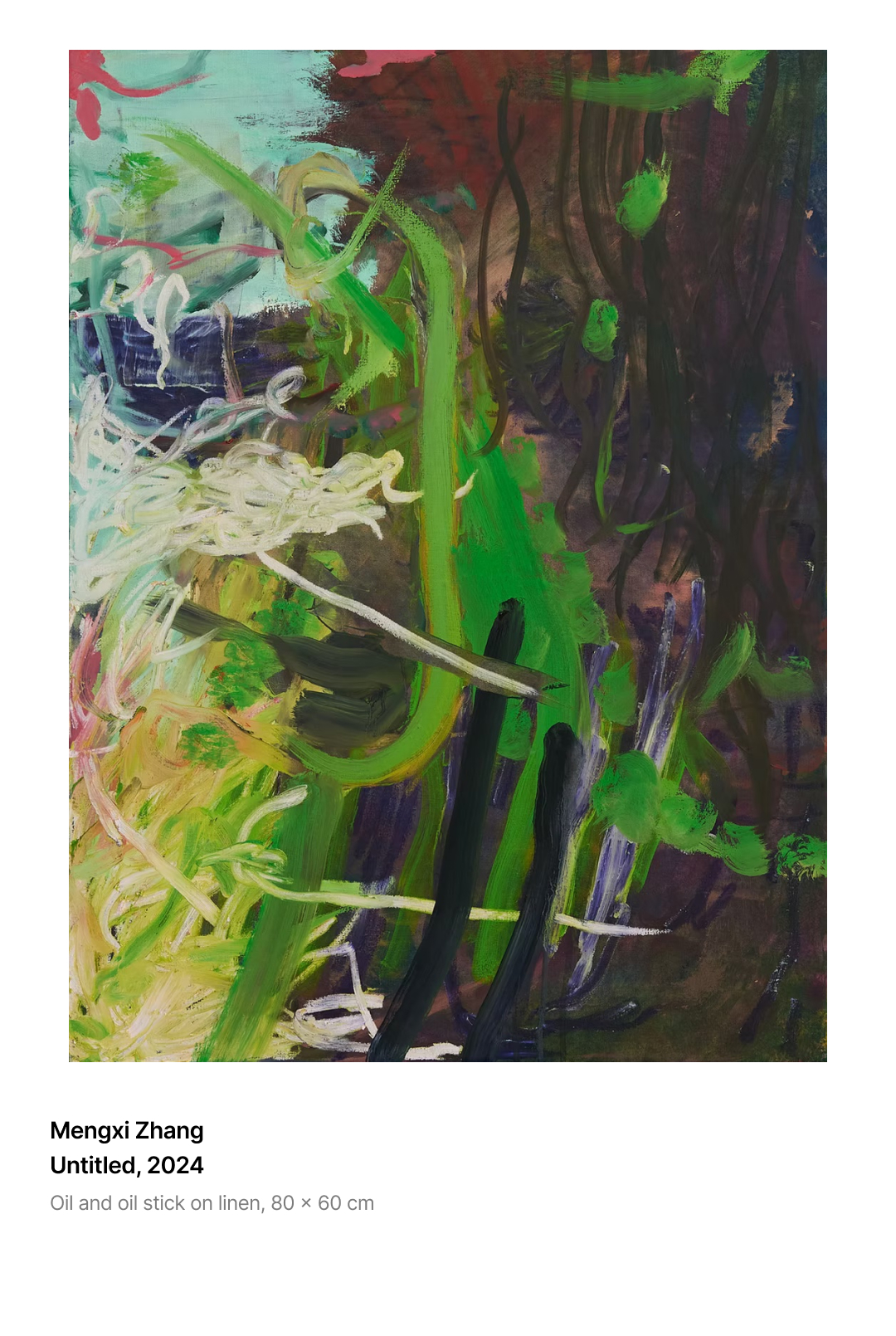
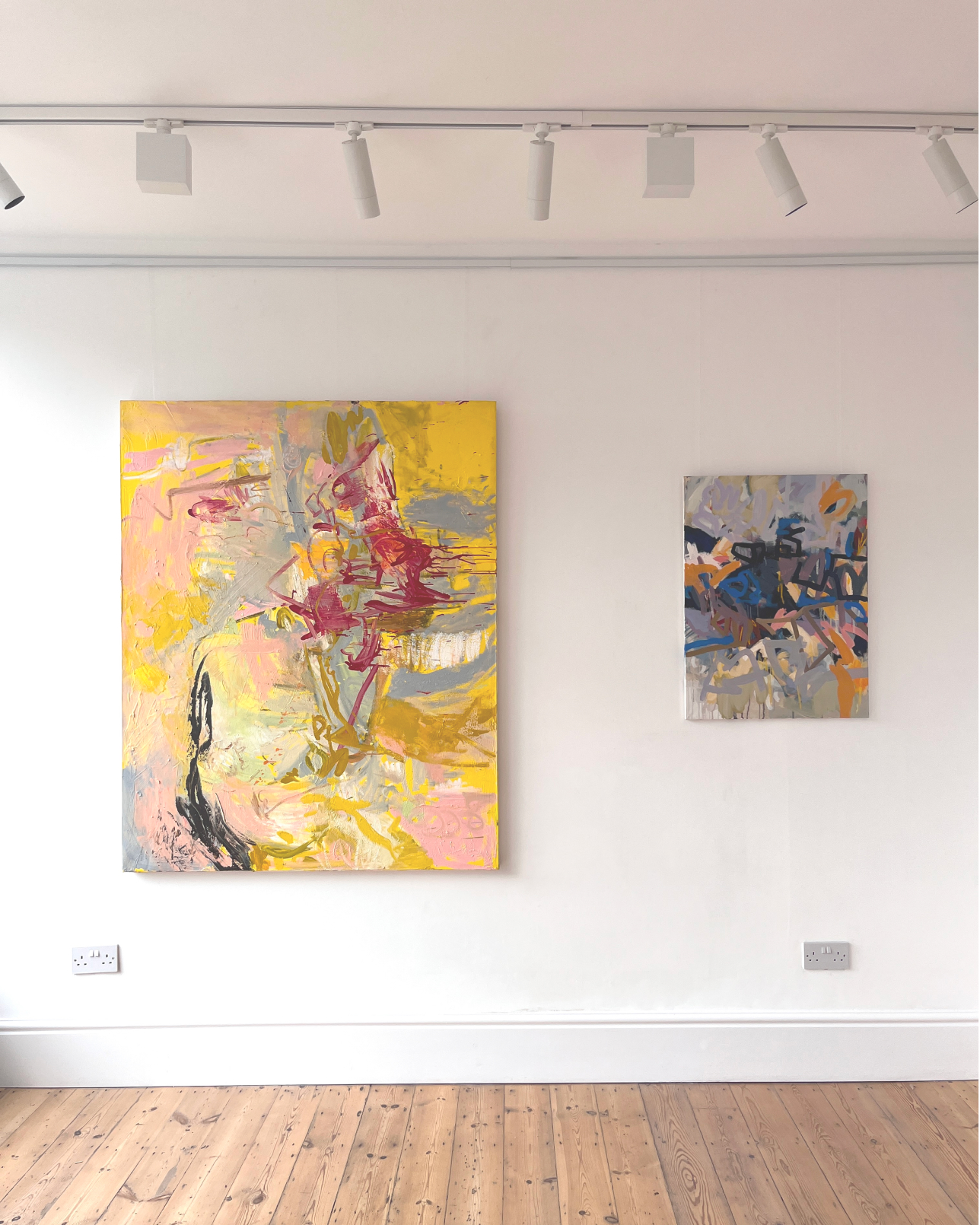
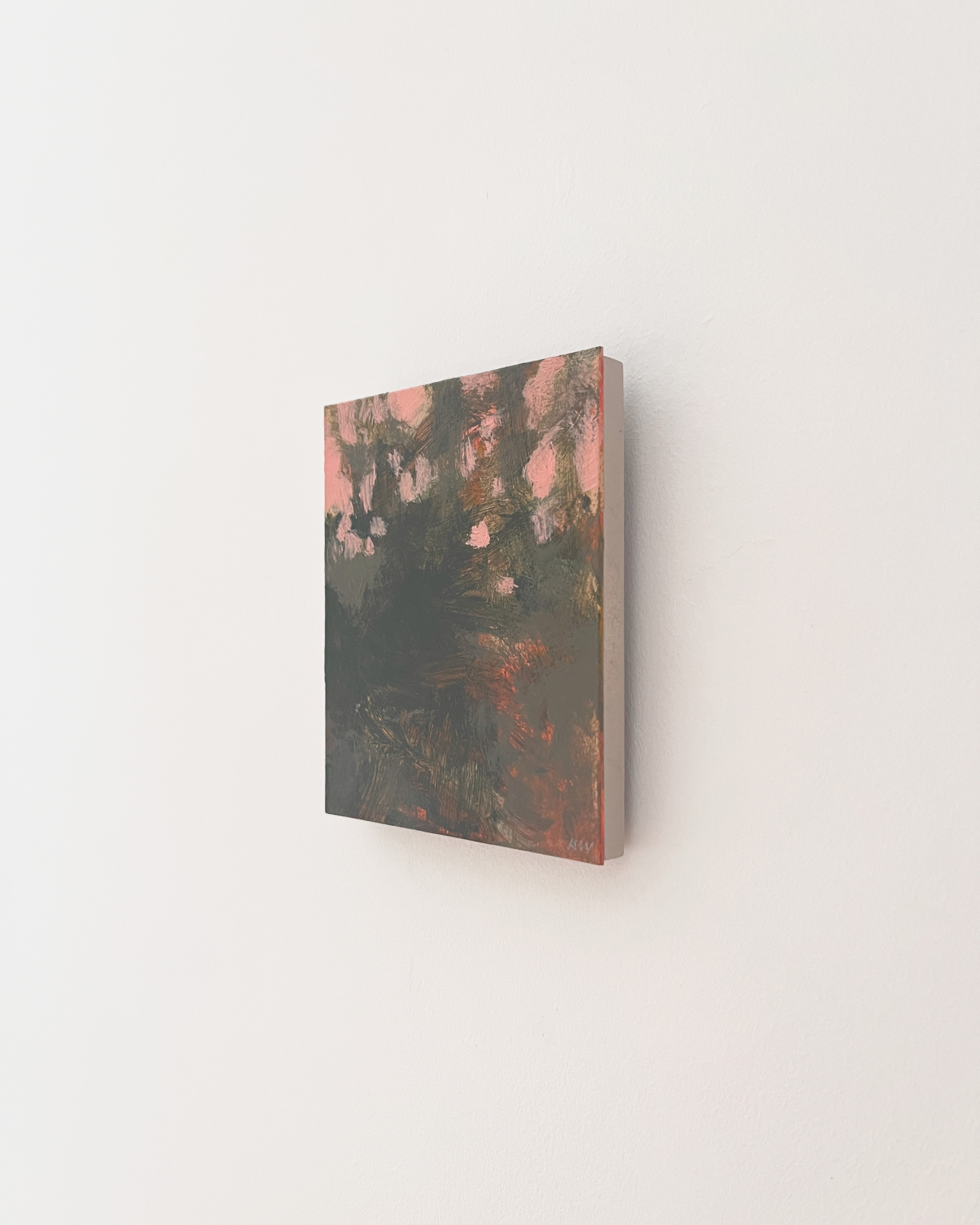
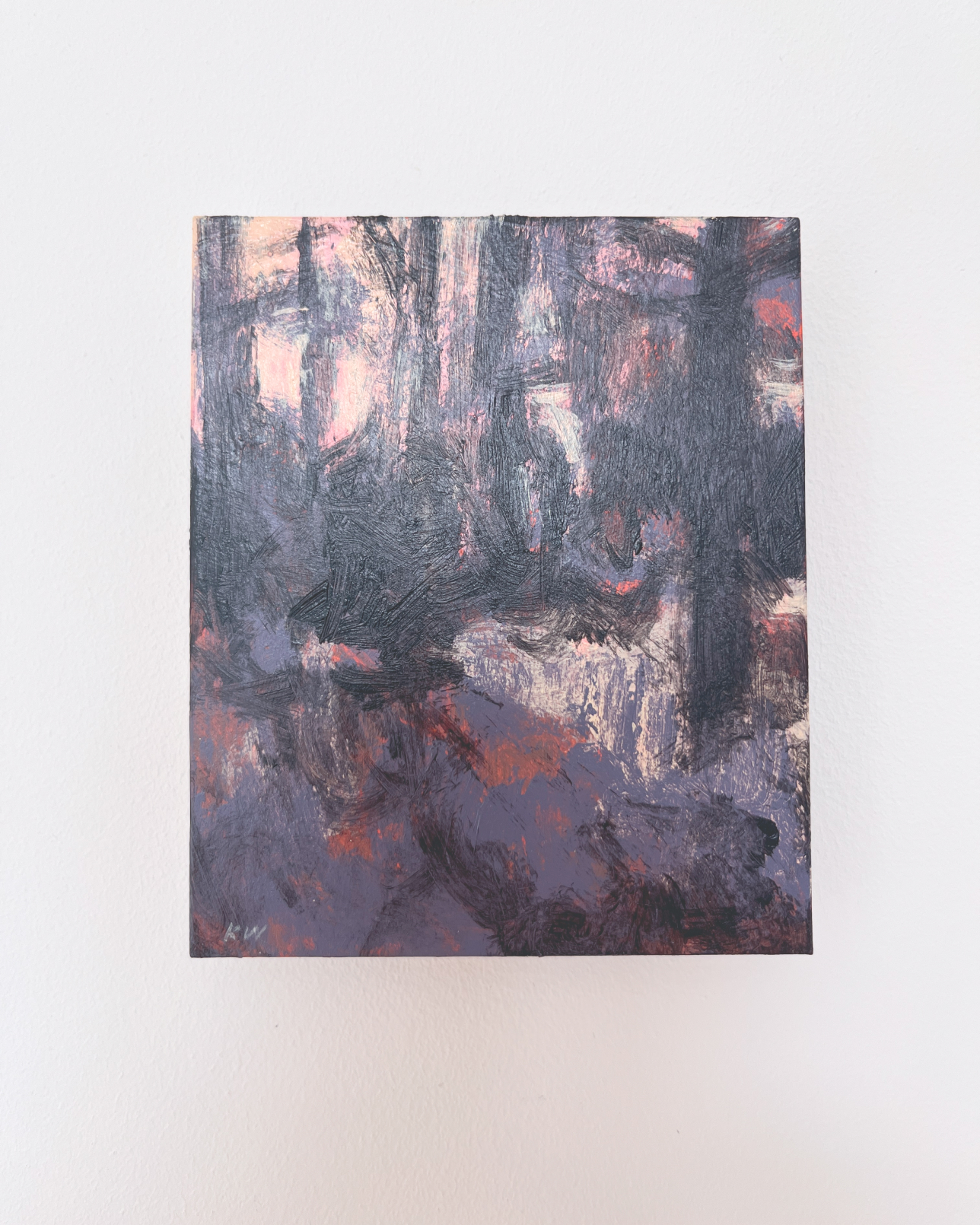
In the exhibition WILD, abstract painting meets echoes of the natural world, creating spaces that are forged with sensation, memory, and interpretation. What emerges on the surface is something other: transfigured space shaped by intuition, movement, and inner vision. These are terrains felt rather than mapped, where suggestion replaces certainty, and where abstraction becomes a means of reaching toward the unknowable.
WILD draws on a lineage of artists who saw abstraction not as a withdrawal from nature, but as an intensified engagement with it. This is abstraction as communion - a way of accessing deeper relationships with place, matter, and mind.
The exhibition channels the spirit of artists like Julie Mehretu, whose sweeping, multilayered compositions fuse gestural mark-making with fragmented architectural and cartographic forms. Her work reimagines abstraction as both personal and political - an atmospheric language where history, landscape, and emotion converge(1). Like Mehretu, the artists in WILD use abstraction to invoke space rather than define it, creating visual fields that pulse with energy and open-ended meaning.
Similarly, Joan Miró's dreamlike fields and biomorphic marks represented what he called "a deeply rooted and fertile soil" - an internal landscape that could only be accessed through abstraction(2).
The works here hover between environment and imagination. They look into space and through space, revealing a pictorial logic born from motion, intuition, and the raw immediacy of the painter's gesture. The brush becomes a seismograph of thought and feeling - echoing Harold Rosenberg's pivotal description of action painting as "not a picture but an event"(3). These are not static depictions, but occurrences: paintings that unfold like weather systems in invented worlds.
Nature is not absent in these works; it is reimagined. In the flows of colour and form, we glimpse echoes of sky, soil, plant, and water - elements that may be drawn from life or conjured entirely from memory. As art historian Barbara Novak wrote, American abstract painting can be understood as "the sublime made internal," where the vastness of the natural world is mirrored in the depths of the self(4).
Abstract painting, by its very nature, is mystical - a process that transcends the visible to propose new and unknowable dimensions. Art historian Meyer Schapiro wrote, "The modern artist lives in a mythic time... the work of art becomes a revelation of his inner life and the meanings of his culture"(5). The artists in WILD embrace this openness. Their works are loose, instinctual, and charged with precision in their intent to evoke space without describing it. Like the Abstract Expressionists before them, they summon the primal, the intuitive, and the spiritual through the material act of painting.
WILD celebrates abstraction as a terrain of freedom - a place where the self may merge with landscape, and landscape becomes a mirror of the mind. It is a tribute to the wildness of vision: of seeing, sensing, and imagining beyond the known.
References
Gingeras, Alison M., "Julie Mehretu: The Mapmaker," Parkett no. 79, 2007.
Rowell, Margit (ed.). Joan Miró: Selected Writings and Interviews. Museum of Modern Art, 1986.
Rosenberg, Harold. "The American Action Painters." Art News, December 1952.
Novak, Barbara. Nature and Culture: American Landscape and Painting, 1825-1875. Oxford University Press, 1980.
Schapiro, Meyer. Modern Art: 19th and 20th Centuries. George Braziller, 1978.
Exhibition
Artworks